AI and a brain implant restored a paralysed man’s movement and touch
What happened
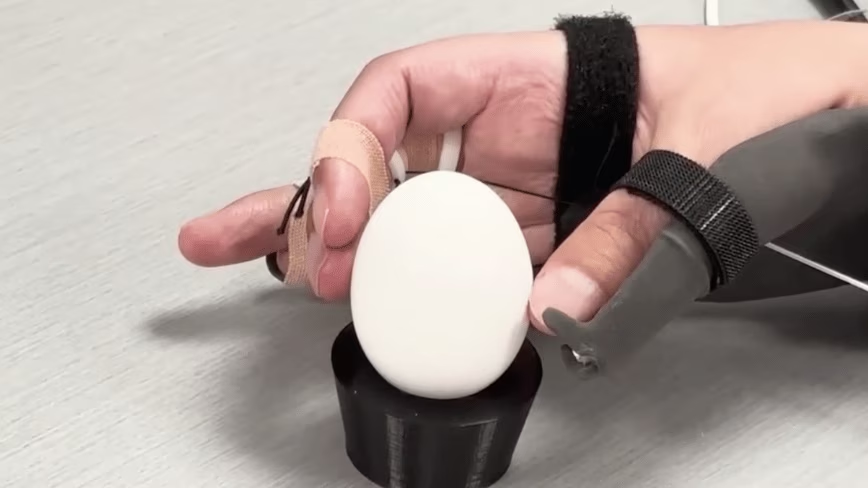
Researchers at the Feinstein Institutes for Medical Research restored hand movement and the sense of touch to a man paralyzed from the chest down. They used a system called a double neural bypass, which combines a brain implant with electrical stimulation of the man’s nerves. The intervention partially rewired his nervous system, re-enabling voluntary control over hand muscles and restoring tactile sensations. Results appeared in Nature Medicine and represent a significant integration of AI with brain-computer interface technology for motor and sensory restoration.
Why it matters
This development pushes brain-computer interface tech beyond simple motor control by restoring sensory feedback, which is critical for precise and intuitive movement. For people with paralysis, regaining touch alongside movement reduces reliance on video or tactile support and lowers cognitive load during tasks. It signals progress toward more natural prosthetic control and functional independence. For healthcare operators and technology developers, it tightens requirements on accuracy and latency in AI-driven signal decoding and nerve stimulation strategies. Investors and medtech founders should note the potential for new AI-powered neuroprosthetic devices that move from lab to clinical trials and commercial use.
What to watch next
The next steps to monitor include validation in larger patient groups and how the interface scales with more complex movements or other body parts. Watch for improvements in the AI decoding algorithms that translate neural activity into both motor commands and sensory signals. Regulatory progress will influence how quickly such treatments move from experimental to accessible therapy. Also, the cost and complexity of brain implants combined with nerve stimulation will shape adoption in rehabilitation clinics and insurance coverage decisions.
AI Quick Briefs Editorial Desk