After raising $1B in funding, Valar Atomics plans to mass produce small nuclear reactors for the AI industry
What happened
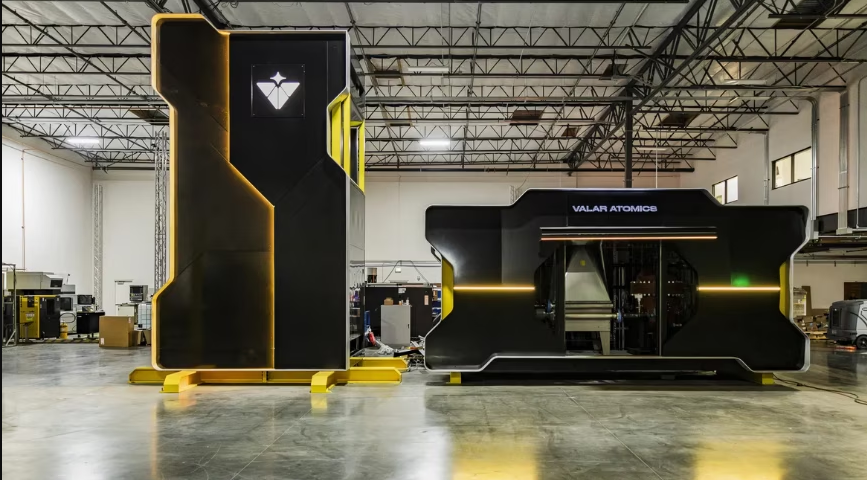
Valar Atomics Inc., a company developing small nuclear reactors, secured $1 billion in Series B funding. This round was led by Sequoia Capital and included nine other venture firms. The new capital is aimed at shifting Valar from prototype development to manufacturing reactors at scale for heavy energy consumers like the AI industry. The company plans to produce these reactors on a production line, moving beyond one-off builds.
Why it matters
Large AI operations require massive amounts of reliable, low-carbon energy, and small nuclear reactors potentially offer a stable solution with a smaller footprint than traditional plants. Valar’s move to manufacturing-scale production could lower costs and speed up deployment. That puts pressure on the energy infrastructure supporting cloud centers and AI facilities to evolve faster. Valar’s reactors may also shift power dynamics in energy supply, challenging renewables and fossil fuels, especially in locations where stable, high-density energy is critical for AI workloads.
For operators and investors, this signals a bet on nuclear energy as a key underpinning technology for AI’s future growth. It also sets a precedent that raising large-scale capital can accelerate nuclear industrialization beyond experimental phases, something that has historically slowed tech adoption in energy. Faster mass production could reduce project risk and lead times for AI companies securing energy at scale.
What to watch next
Monitor Valar’s progress in scaling production lines and whether they can meet cost and timeline targets. The regulatory environment for deploying distributed small nuclear reactors will also remain crucial; delays or tightening rules could stall expansion. Watch for partnerships or pilot projects with AI data center operators and cloud providers that could serve as early commercial customers. Competitors in the small reactor space or alternative energy providers might respond to this pressure by increasing their own innovation or investment flows.
AI Quick Briefs Editorial Desk