A startup with Eric Trump as adviser is testing humanoid robots in Ukraine. It wants them on US front lines…
What happened
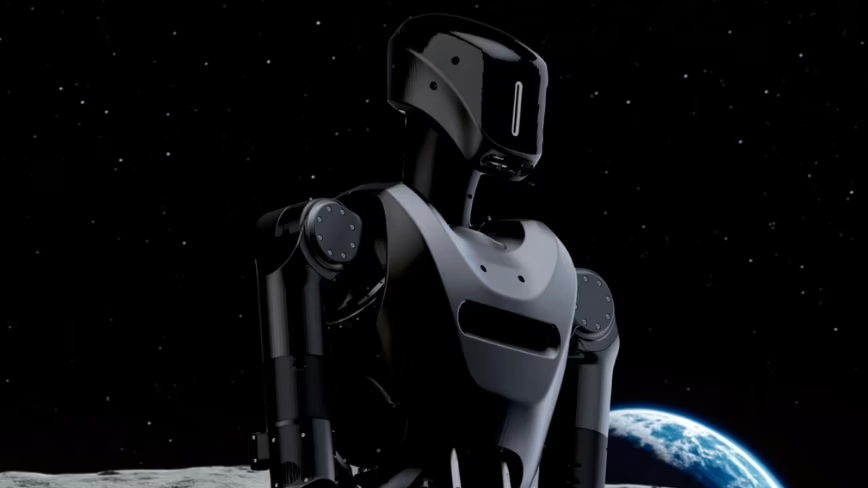
Foundation Future Industries, a San Francisco startup founded in 2024, deployed two Phantom MK-1 humanoid robots to Ukraine earlier this year. The company calls this the first known use of humanoid robots in an active combat zone. The tests focused on logistics tasks and were carried out with the support of the US government and Ukrainian officials. Eric Trump serves as an adviser for the company, adding a notable political connection to the project. The startup aims to position these robots on US military front lines within 18 months.
Why it matters
This deployment signals a practical push to use humanoid robots in real-world military operations, not just research labs or simulations. Shifting robots into combat zones changes how troops and commanders might manage logistics under fire. Robots can reduce human risk, carry supplies, and maintain operational tempo where enemy threats and terrain complicate missions. For the defense sector, this raises pressure to accelerate development and field testing of humanoid robots. Investors and military contractors could see new opportunities as autonomy and human-machine teaming become critical battlefield capabilities. The tight timeline to deployment suggests the military is betting on robots not only for support roles but potentially as front-line force multipliers soon.
What to watch next
Watch if Foundation Future Industries can move from tested prototypes to robust, reliable robots that operate independently under combat stress. The speed of deployment and government backing will test if humanoid robots can integrate into existing military workflows or create new operational doctrines. Also follow whether this prompts competing startups or defense contractors to intensify humanoid robot development. Regulatory and ethical discussions around autonomous robots in conflict may heat up as their real-world use grows. Finally, track whether the US military actually adopts these robots and how that reshapes logistics, personnel deployment, and combat risk profiles.
AI Quick Briefs Editorial Desk

