A father of the internet wants to give AI agents an identity
What happened
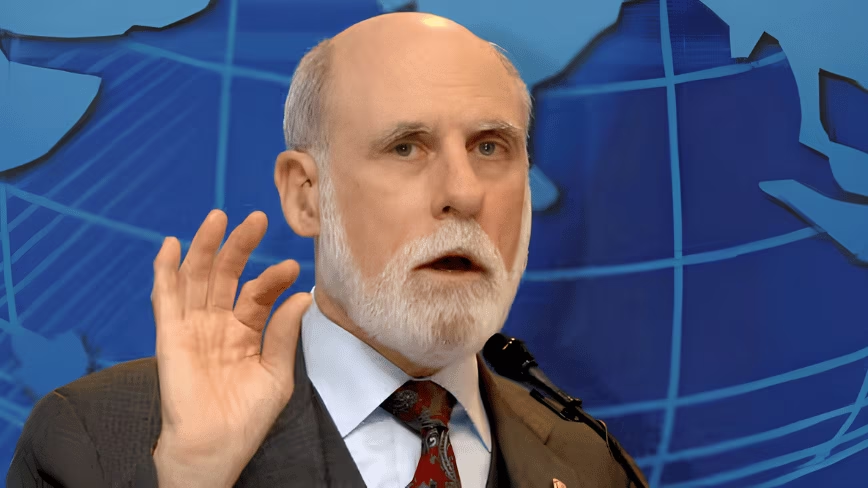
Vint Cerf, a key architect of the internet’s foundational protocol TCP/IP, is working to give AI agents unique, verifiable identities. As AI agents proliferate online to act on behalf of people and organizations, there is currently no system to reliably verify who is behind any AI-driven interaction. Cerf aims to establish a framework for tracing AI agents back to accountable creators or owners.
Why it matters
As AI agents multiply, the inability to identify who they represent weakens trust and invites fraud, misinformation, or harmful automation. Businesses, regulators, and users face growing challenges in verifying which AI outputs or actions are legitimate. Embedding identity standards in AI agents would pressure operators to disclose accountability, reducing risk in transactions and communications involving AI. This move can tighten operational security, improve regulatory compliance, and shift power toward entities willing to build trust through transparency.
What to watch next
Monitor how this identity proposal evolves into technical standards or regulation and how AI platform providers respond. The effort will face practical hurdles like balancing privacy with attribution and encouraging industry adoption. Builders should keep an eye on emerging tools or protocols enabling identity verification for AI. Operators in sectors like finance, legal, or content moderation will want to track related compliance shifts. Expect growing debates on liability, privacy, and governance around AI identity.
AI Quick Briefs Editorial Desk


