A DeepMind exec finally said what the trillion-dollar AI spend is for: machines that improve themselves.
What happened
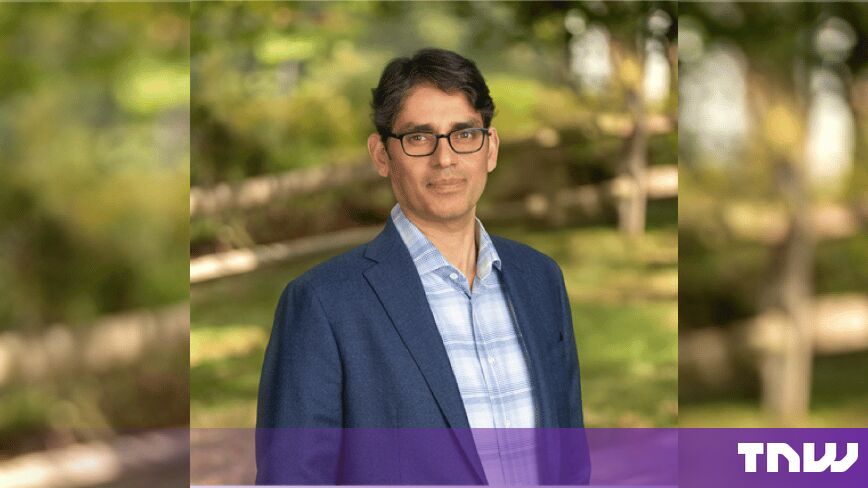
Google DeepMind’s chief strategy officer, Jasjeet Sekhon, stated at a UC Berkeley summit that the trillion-dollar global AI investment is primarily aimed at machines developing the ability to improve themselves. Sekhon pointed to recursive self-improvement (RSI) as the key driver behind the massive capital expenditure. This concept involves AI systems iteratively enhancing their own capabilities without new human input.
Why it matters
Cashing in on machines that improve themselves changes the economic and operational dynamics of AI. It pressures companies and investors to focus not only on building better AI but on enabling AI architectures that require less human intervention over time. This raises the stakes for automation in research, development, and deployment, potentially speeding innovation cycles and lowering labor costs but increasing reliance on AI autonomy. For businesses and founders, the bet on RSI suggests a future where continuous AI refinement becomes a competitive necessity rather than a niche advantage.
What to watch next
Watch for shifts in AI R&D budgets and product roadmaps that prioritize self-modifying algorithms or frameworks. Investors should track startups and incumbents investing heavily in recursive self-improvement or automated AI tuning technology. Regulators need to prepare for safety and accountability challenges as AI systems gain more autonomy over their own development. Finally, the broader AI market will be shaped by how quickly recursive improvement delivers tangible value or hits technical roadblocks.
AI Quick Briefs Editorial Desk