Waymo to end Uber exclusivity in Austin and Atlanta, launching its own app in January 2028
What happened
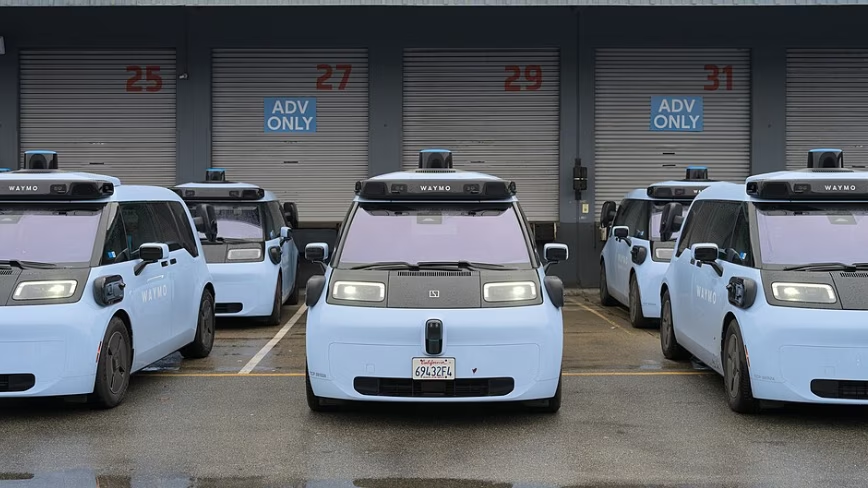
Waymo has informed Uber that it will end its exclusivity deal in Austin and Atlanta by launching its own app for robotaxi rides in January 2028. Until now, Waymo’s self-driving taxis in these cities were only accessible through Uber’s platform. The shift means customers in these markets will be able to book Waymo’s autonomous rides directly instead of through Uber. An Uber spokesperson confirmed the notification but did not elaborate on the details.
Why it matters
This move shifts the balance of power in autonomous ride-hailing services. Uber has relied on Waymo’s robotaxis as a unique offering in Austin and Atlanta, which helped Uber differentiate its service with autonomous options. Allowing Waymo to operate independently puts pressure on Uber’s platform to compete more on customer experience rather than exclusive tech access. For Waymo, launching its own app opens new margins by cutting out Uber’s middleman fee and gives greater control over the customer interface and pricing. For operators and investors, this signals Waymo’s increasing confidence in consumer adoption and fleet scale to support direct-to-consumer sales in these key markets.
What to watch next
Watch how Uber responds to losing exclusivity over Waymo rides and whether it seeks new autonomous partners or shifts focus to other competitive advantages. Also, monitor user adoption rates for Waymo’s standalone app starting in 2028 and how pricing and availability compare to the previous Uber integration. This will impact operator economics and could pressure other robo-taxi providers to consider direct-to-customer models to boost profitability. The transition period may reveal challenges in customer retention and fleet utilization during the switch away from Uber’s app.
AI Quick Briefs Editorial Desk