Scientists Are Designing CRISPR Gene Editors With AI
What changed
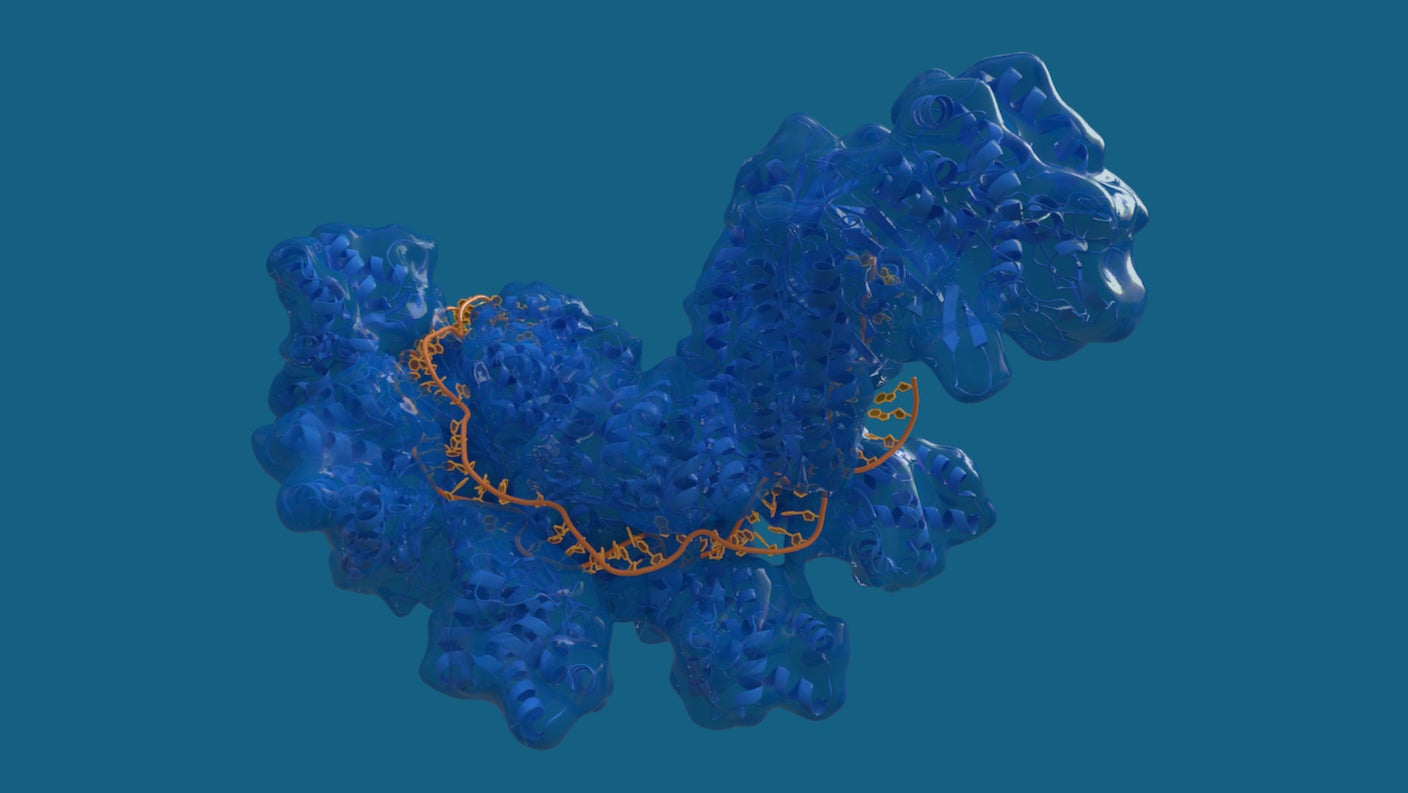
Scientists are using AI tools like DeepMind’s AlphaFold to improve CRISPR gene editors. AlphaFold predicts protein structures, which helps researchers redesign the CRISPR-associated proteins that cut DNA, making gene editing more precise and efficient. This integration of AI into gene editing tackles a long-standing challenge: understanding and manipulating protein structures rapidly and accurately.
Why builders should care
For developers working on gene editing or biotech tools, AI-driven protein modeling upgrades CRISPR’s effectiveness and reliability. More precise edits mean fewer off-target effects, reducing costly trial and error in lab work. This accelerates pipeline development for gene therapies and agricultural biotech, potentially lowering costs and speeding time-to-market for CRISPR-based products.
The practical takeaway
AI algorithms that predict protein folding allow operators to customize CRISPR editors more quickly and with better accuracy. This shift pressures existing workflows to adopt computational biology tools alongside lab experiments. For biotech startups and research teams, integrating AI can mean faster iterations and more confident gene edits, which directly impacts downstream regulatory approval and production scalability.
What to watch next
How broadly these AI-designed CRISPR editors enter commercial and clinical pipelines will be crucial. Watch for partnerships between AI firms and biotech companies aiming to translate computational designs into real-world therapies. Also, regulatory agencies may need to adjust guidelines as AI accelerates molecular design, trading some experimental uncertainty for algorithmic predictions.
AI Quick Briefs Editorial Desk