The tech-broification of American science has officially begun

What happened
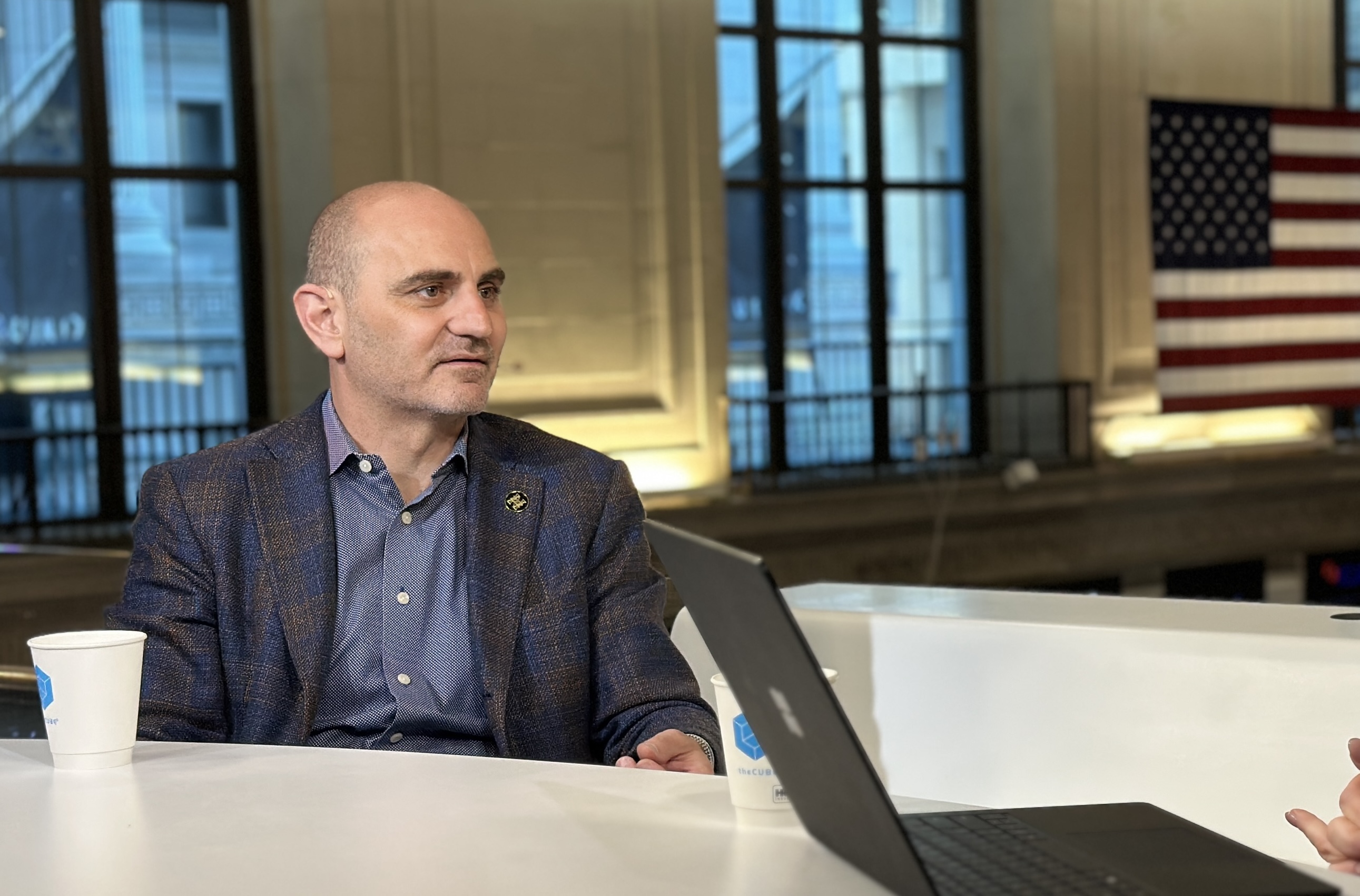
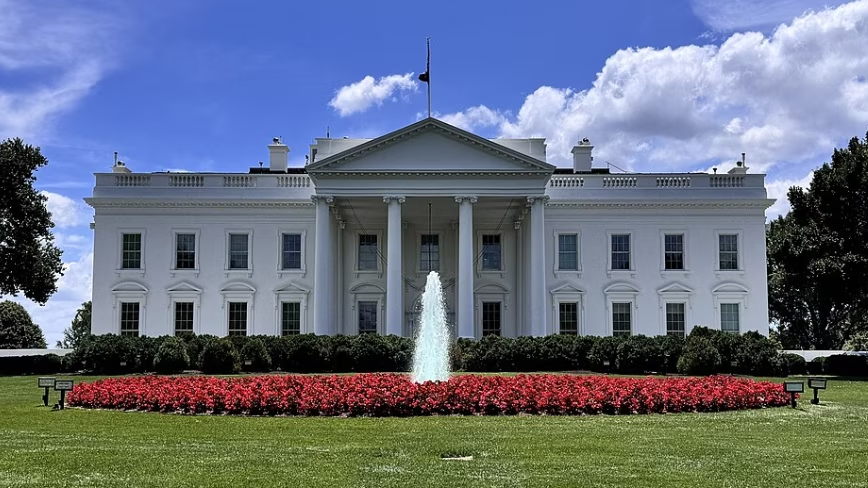
The Trump administration announced the first round of “Genesis Mission” grants, allocating $5 billion to fund a wide range of AI-powered science projects. This initiative is framed as an urgent national effort, likened to the Manhattan Project in scale and ambition. At the same time, Michael Kratsios, Trump’s science adviser without a science background, pushed this expansive AI science agenda to Congress, promising transformative breakthroughs driven by AI technologies.
Why it matters
This move channels significant federal resources into AI-driven scientific research, signaling a strong government pivot toward automation and machine-assisted discovery. For researchers and AI developers, it means an accelerated demand for AI models and infrastructure that can tackle complex problems in science. However, the fact that a political appointee lacking a science background is orchestrating this push raises concerns about the project’s technical oversight and prioritization. Builders and investors will see increased competition for grants and projects heavily filtered through AI, while traditional experimental methods may face devaluation. The analogy to the Manhattan Project commits to massive scale but also sets a high bar that could pressure teams to produce fast results, potentially complicating long-term basic research.
What to watch next
The effectiveness of the Genesis Mission depends on how these funds translate into real scientific output and whether AI genuinely accelerates breakthroughs or just inflates hype. Watch for the types of projects awarded grants, the balance between AI innovation and domain expertise, and any shifts in research culture that favor tech-focused approaches over conventional science. Also, monitor Congressional and public feedback on Kratsios’ role and the governance structure guiding such a high-stakes federal AI investment.
AI Quick Briefs Editorial Desk