White House accuses Moonshot of distilling Anthropic’s Fable to build Kimi K3
What happened
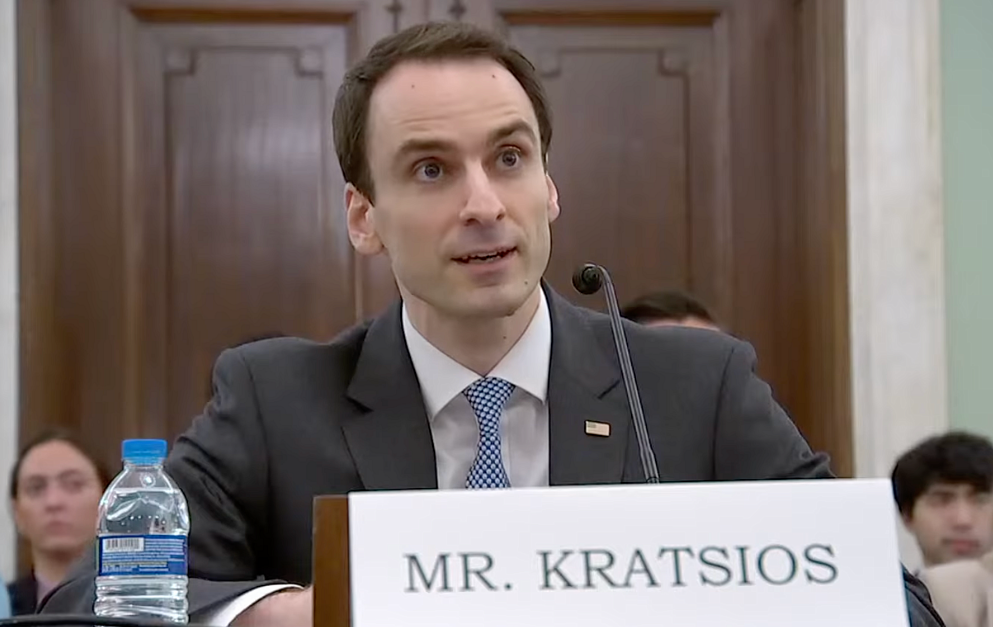
A senior White House official claimed that China-based Moonshot AI violated U.S. export controls by using restricted Nvidia chips to build its Kimi K3 model. The firm reportedly leveraged U.S. AI models and technology to advance Kimi K3’s development despite sanctions. The accusation links Moonshot’s work directly to Anthropic’s earlier Fable model, which caused a stir in Silicon Valley last week. The White House spokesperson with oversight of science and technology policy made these allegations amid heightened scrutiny of AI supply chains and international tech transfers.
Why it matters
Moonshot’s access to banned Nvidia chips challenges existing U.S. export controls designed to limit high-end AI hardware reaching China. This signals potential weaknesses in enforcement or novel workarounds by AI firms operating outside the U.S. It pressures regulators to tighten oversight or risk letting key AI components fuel sanctioned AI projects. For investors and businesses, this raises risk around compliance and supply chain transparency when dealing with foreign AI developers. It also exposes how Chinese AI startups can depend partly on cutting-edge American AI models to accelerate their offerings, impacting who holds innovation power in AI development.
What to watch next
The U.S. government’s next steps in enforcing export controls or imposing sanctions on Moonshot will be important to track. Enforcement moves could signal tougher constraints on China’s AI ambitions and disrupt access to U.S.-based AI technology for foreign entities. Investors and companies working in AI hardware or cross-border partnerships should monitor regulatory updates to adjust risk management. Watch for additional details on Moonshot’s tech stack and whether other players are similarly leveraging restricted U.S. chipsets or models beyond official limits.
AI Quick Briefs Editorial Desk