Google shipped three cheap Gemini models and a Mythos rival, but not the one that matters
What happened
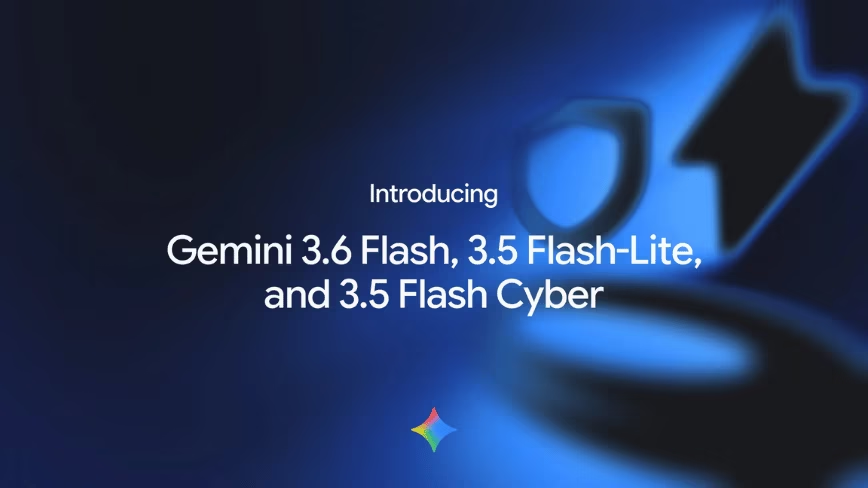
Google launched three new Gemini AI models focused on low-cost, faster performance under its “Flash” tier. These releases arrived just ahead of Alphabet’s earnings report. Notably missing is a larger, more powerful Gemini model designed to rival top competitors like Anthropic’s Mythos. Instead of pushing raw model size, Google is betting on delivering cheaper, more efficient options.
Why it matters
The launch signals Google’s strategic shift away from competing purely on model scale. Larger language models typically demand heavier compute resources, raising operational costs. By prioritizing smaller, faster, and cheaper models, Google aims to capture users and developers seeking cost-effective AI tools that do not sacrifice speed. This could pressure rivals who focus on massive models that are slower and more expensive to deploy.
The absence of a flagship heavyweight Gemini version raises questions about Google’s readiness to challenge Anthropic or OpenAI at the very top tier. Without a true contender in that space, Google risks losing mindshare among customers requiring the most advanced AI capabilities. This shift could reflect a recalibration based on recent industry dynamics where efficiency and cost are increasingly central.
What to watch next
Look for Alphabet’s earnings report commentary for clues on commercial uptake and cost management from these new models. Also watch how Google’s Flash tier pricing compares in practice and whether it draws developers away from higher-cost alternatives. The next big test will be if Google launches a more powerful Gemini soon or doubles down on the leaner models. The direction will reveal if Google bets on broad accessibility or making a stand in premium AI markets.
AI Quick Briefs Editorial Desk