Nvidia doubles down on AI factories as it showcases massive Vera Rubin performance gains
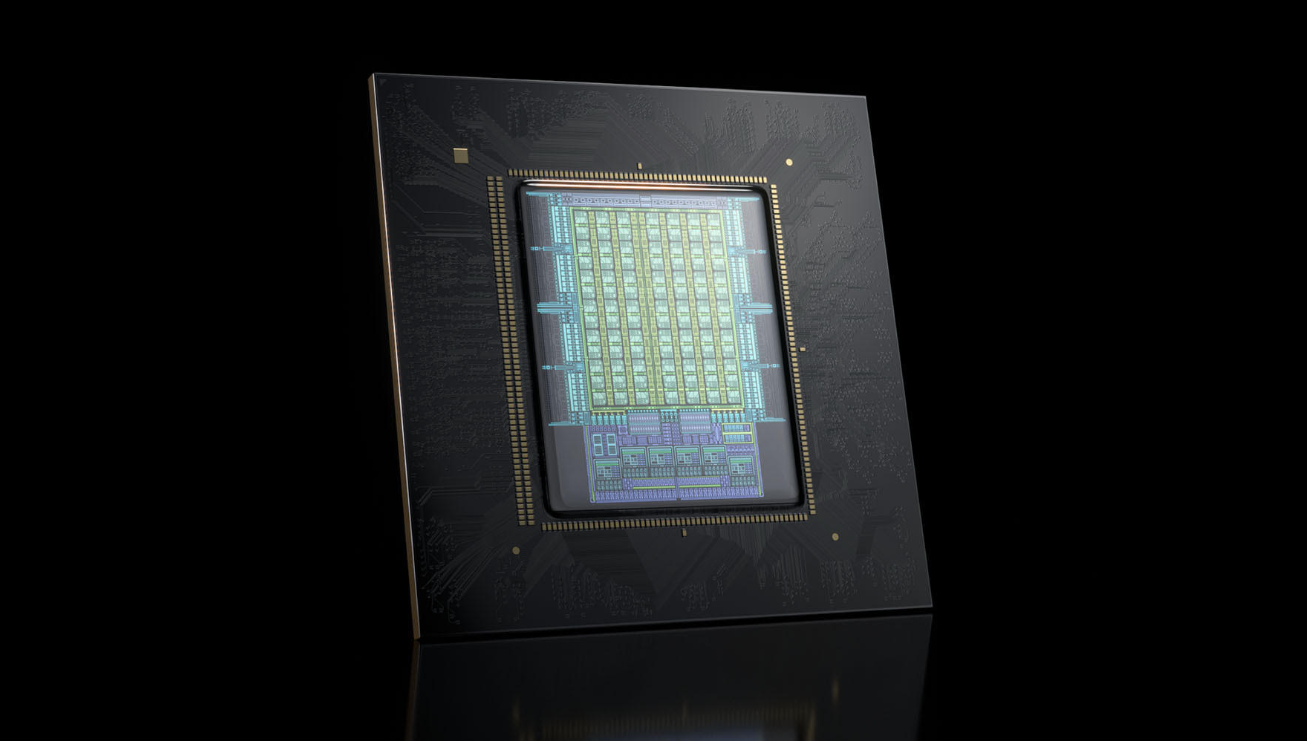
What happened
Nvidia revealed new performance benchmarks for its next-generation AI platform codenamed Vera Rubin. The company showed substantial efficiency gains driven by a mix of advanced custom chips and integrated system architecture. These improvements come as Nvidia pushes Vera Rubin closer to global availability, signaling a major upgrade in AI processing power.
Why it matters
Vera Rubin strengthens Nvidia’s grip on AI hardware by proving its strategy of combining specialized silicon with a cohesive ecosystem delivers clear performance and efficiency advantages. For AI builders and cloud operators, this means faster, cheaper AI training and inference at scale. It also raises the bar for competitors, who must match both the raw speed and system-level integration Nvidia achieves. Businesses relying on heavy AI workloads may see cost structures shift as Nvidia’s hardware enables more complete, optimized solutions.
What to watch next
Keep an eye on how quickly Nvidia rolls out Vera Rubin to partners and cloud providers. Adoption speed will reveal how much of an edge these benchmarks translate into real-world deployments. Also watch for competitive responses from rivals chasing similar gains in AI chips or complete stacks. Finally, see how Vera Rubin impacts AI model performance and operational costs for key industries where speed and scale directly affect business outcomes.
AI Quick Briefs Editorial Desk