US threatens sanctions against Chinese AI models over IP theft

What happened
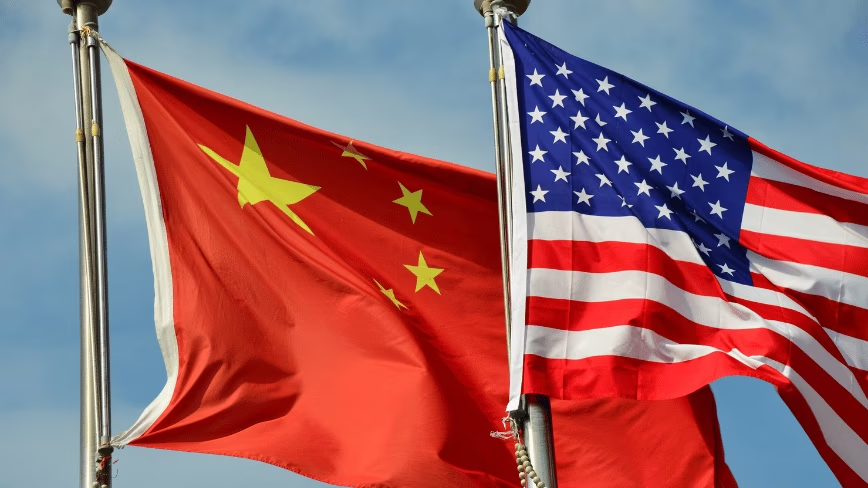
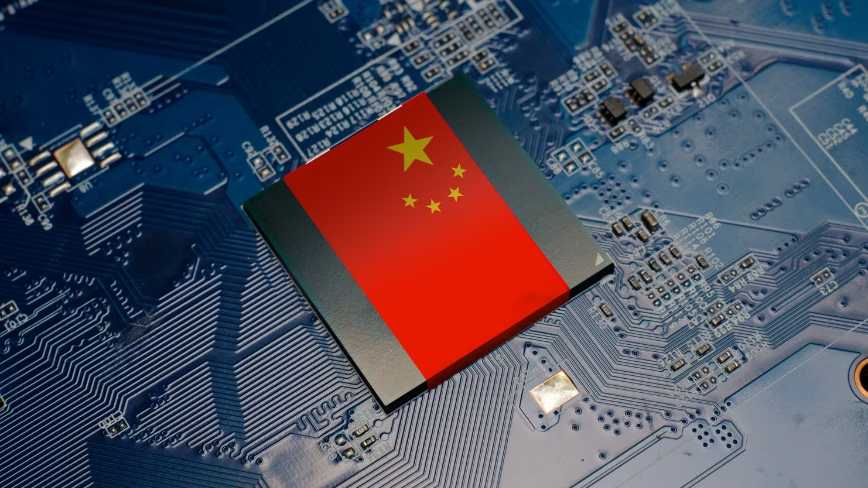
The US Treasury Secretary Scott Bessent warned that the US government could impose sanctions on Chinese open AI models, accusing them of intellectual property theft. This move builds on previous US efforts to slow China’s progress in artificial intelligence by targeting technology and data flows. The threat specifically targets Chinese AI models that allegedly use stolen data or code to train their systems.
Why it matters
Sanctions against Chinese AI models would raise costs and risks for China’s AI developers by restricting their access to US technology and financial systems. It would signal tougher scrutiny on how AI models are trained and developed internationally, especially around data provenance and intellectual property rights. For US and global companies, this could increase pressure to avoid sharing data or code with Chinese entities and complicate partnerships or licensing arrangements. Investors and founders in AI should expect more friction in the China-US technology relationship, possibly slowing China’s ability to compete globally on AI innovation.
What to watch next
Watch for formal sanctions or export controls targeting Chinese AI firms announced by the Treasury or Commerce Departments. How these rules define “intellectual property theft” in AI training will shape compliance burdens. Businesses and operators with AI cross-border connections should monitor regulatory clarity and adjust contracts or technical safeguards accordingly. The US government may also extend surveillance or investigation efforts to detect improper data use in AI, raising operational risks for AI teams working internationally.
AI Quick Briefs Editorial Desk