Prysmian signs €5.5bn fibre deal with Molex to wire AI data centres
The business move
Prysmian has secured a €5.5 billion contract with Molex to supply optical fiber cable for AI data centers over the next decade. Molex, owned by Koch Industries, is not only committing to the full contract but is also providing €550 million in upfront cash. This sizeable advance payment is unusual in large supply deals and signals serious financial confidence from Molex in future demand.
Why it matters
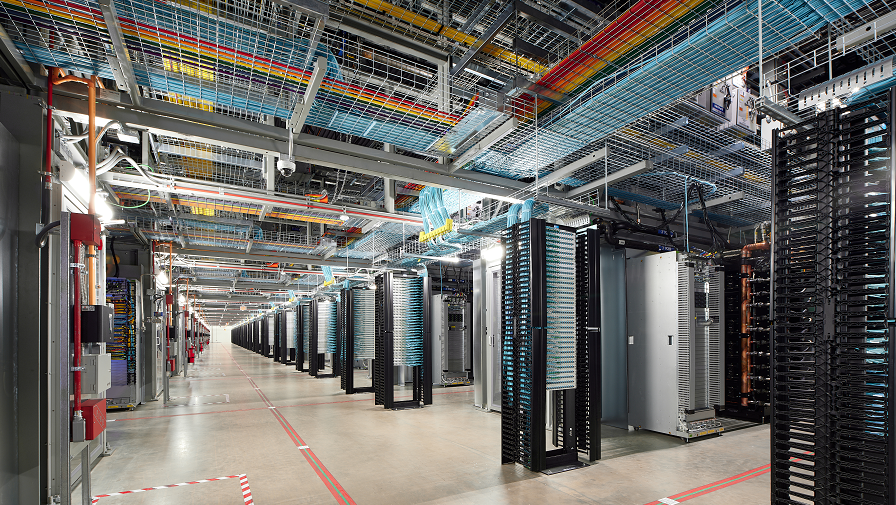
AI data centers require vast amounts of high-speed, reliable connectivity to handle massive data flows and training workloads. Optical fiber is essential for low-latency, high-bandwidth wiring inside these centers. A 10-year supply deal of this magnitude locks in Prysmian as a critical vendor and stabilizes their revenue outlook amid the volatile infrastructure market. The upfront cash reduces financial risk for Prysmian, allowing quicker investment in capacity and innovation. For Molex, this secures a stable, long-term supply chain at a predictable cost, easing pressure from potential fiber shortages or price swings as AI deployment scales.
Who gains and who gets squeezed
Prysmian strengthens its position in the lucrative AI data center segment, likely boosting investor confidence and operational scale. Molex gains reliable access to cutting-edge fiber supply while signaling serious commitment to expanding its AI data center footprint. Competitors in fiber production face heightened pressure from Prysmian’s secured volume and financial backing. Data center operators indirectly benefit from tighter supply assurances and likely steadier prices. However, smaller cable manufacturers or less capitalized suppliers might get squeezed out as large integrated deals like this dominate the market.
What to watch next
Watch how Prysmian uses the upfront funds to expand fiber production or improve technology for AI-specific data center needs. Molex’s ability to lock in supply at fixed costs may impact pricing models across the sector, potentially pushing competitors to seek similar deals or partnerships. Also monitor whether other AI infrastructure suppliers pursue long-term, cash-backed contracts to hedge risks around surging demand and material constraints. The deal could mark a shift toward more financially integrated supply chains in AI hardware buildout.
AI Quick Briefs Editorial Desk