Trump’s AI advisor says Kimi K3 shows “how you lose the AI race.” Khosla blames immigration. Marcus wants a…
What happened
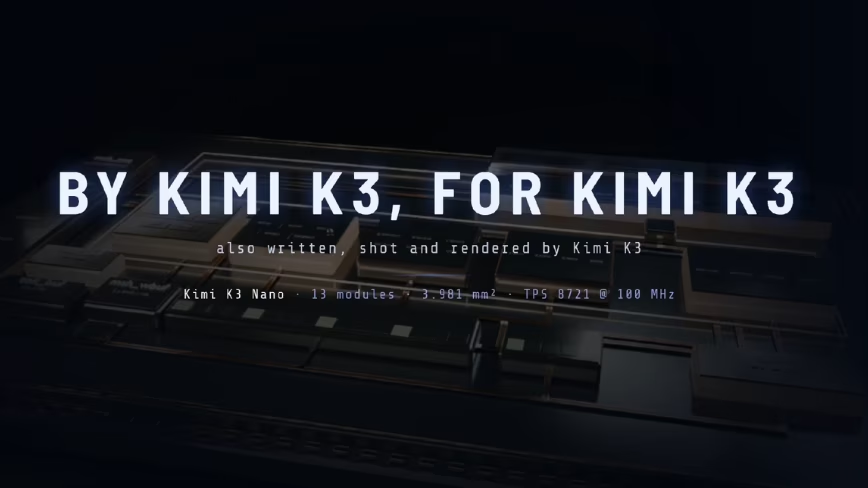
Moonshot AI’s new model Kimi K3 quickly climbed to the top of Arena’s frontend coding leaderboard within 24 hours of launch, beating Anthropic’s Claude Fable 5 and OpenAI’s GPT-5.6 Sol. It also secured third place on Artificial Analysis’s Intelligence Index. Despite this early success, critics in Washington and the tech community didn’t hold back. A former Trump AI advisor called Kimi K3 a clear example of losing the AI race. Vinod Khosla, a prominent venture capitalist, blamed restrictive immigration policies for delays in US AI progress. Meanwhile, AI researcher Gary Marcus pushed for a congressional investigation into the AI sector’s trajectory and governance.
Why it matters
Kimi K3’s rapid leaderboard rise exposes the shifting competitive dynamics in AI development, especially in frontend coding tasks critical to many software workflows. That a model not from the usual top-tier names like OpenAI or Anthropic could challenge their dominance signals a more fragmented and contested AI landscape. The political backlash highlights growing tensions about US leadership in AI. Khosla’s immigration critique underlines how talent flow restrictions may weaken innovation speed by limiting access to outside expertise. Marcus’s call for government scrutiny signals pressure for tighter regulatory oversight, which could slow down some development efforts and alter investment patterns. For builders and investors, this sets up a more uncertain and politically charged environment around AI progress.
What to watch next
Watch how regulatory pressure intensifies following Marcus’s congressional push. Increased government scrutiny could bring new compliance burdens or slow product launches. Keep an eye on immigration policy discussions because that factor directly affects talent availability behind AI’s rapid advances. Also, track how Kimi K3 and similar challengers evolve against incumbents like OpenAI and Anthropic—these shifts may change the competitive dynamics funding, partnerships, and product roadmaps in AI. For operators, the political responses raise the chance that some AI advances might face higher costs or operational hurdles in the US, while overseas developers might gain a relative edge.
AI Quick Briefs Editorial Desk