Xpeng’s L03 is the first Chinese EV to put proprietary AI driving chips in a mass-market car
What happened
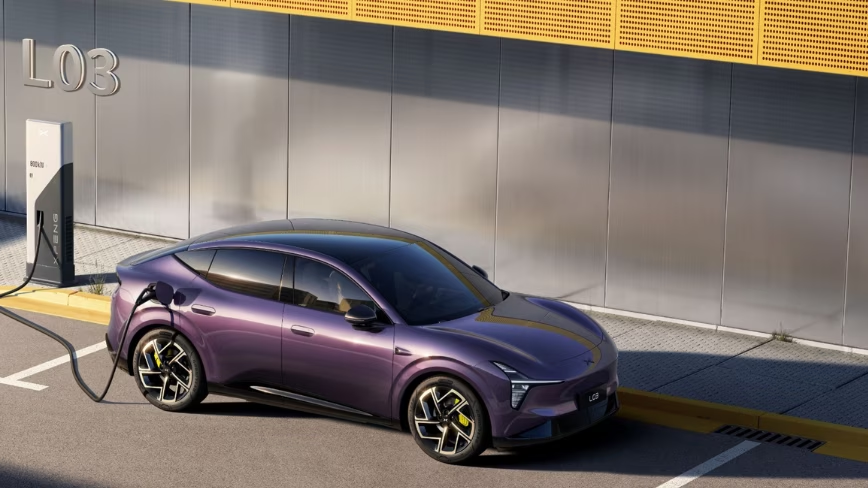
Xpeng unveiled the L03 electric coupe-SUV in Munich, marking its most ambitious global launch by releasing it simultaneously across 65 markets. This is the first Chinese electric vehicle to embed proprietary AI driving chips, called Turing chips, directly in a mass-market model. Each trim level includes at least one chip, while the top Ultra variant packs three—delivering a combined processing power of 2,250 trillion operations per second.
Why it matters
By integrating its own AI chips, Xpeng shifts control over core autonomous driving functions away from third-party suppliers, reducing reliance on external technology providers. This can lower costs and improve feature responsiveness as the company optimizes hardware and software together. The scale of deployment across global markets signals a push for Chinese EV makers to compete directly on intelligence and AI horsepower, not just price or batteries. For buyers and operators, this means potentially better in-car AI performance and more advanced driver assistance at a competitive price.
What to watch next
Keep an eye on how Xpeng’s proprietary chips perform in real-world driving and how quickly software updates enhance autonomous features. The company’s ability to maintain hardware-software synergy will pressure competitors that rely on off-the-shelf AI hardware. Also watch regulatory reactions across multiple markets, since wider deployment of AI chips raises questions about safety validation and data governance. Finally, investor response to this vertical integration approach will reveal if building custom AI silicon is worth the upfront complexity for EV startups and scale players alike.
AI Quick Briefs Editorial Desk