Up the Stack: How AI’s Escape From the Commodity Trap Risks Enterprise Lock-in
What changed
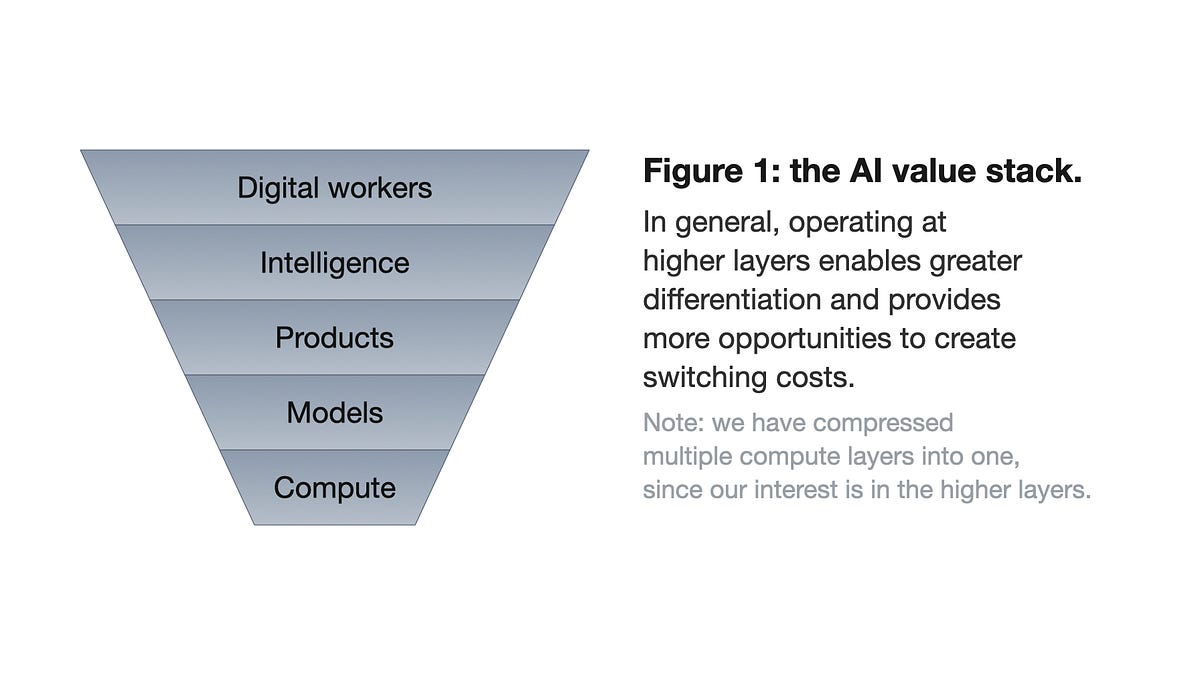
AI tools are evolving beyond commoditized models by layering proprietary software and specialized data on top. This “up the stack” approach moves AI usage from generic APIs into integrated services that offer tailored workflows and unique value. However, this strategy risks increasing vendor lock-in for enterprises, as their AI capabilities depend heavily on specific platform extensions rather than standalone models.
Why builders should care
The shift alters how AI products are built and sold. Instead of competing on raw model quality or price, software makers differentiate through added capabilities and data exclusivity. This rewards those who control complex stacks and discourages switching between providers. Builders must design AI features that create switching costs without alienating customers through inflexible systems.
The practical takeaway
For product teams, this means focusing on embedding AI deep into workflows and data pipelines, not just plugging in generic models. Infrastructure choices will affect long-term agility and costs. For enterprise buyers, it raises a trade-off: getting superior, custom AI functions today might mean less choice and higher costs in the future. Understanding where lock-in emerges in AI stacks becomes vital for procurement and strategy.
What to watch next
Watch for how providers balance openness with proprietary enhancements. Some may push for open standards or modular AI components to ease lock-in concerns. Others will double down on verticalized stacks, emphasizing exclusive data or unique integrations. Regulatory scrutiny around anti-competitive practices and customer control over data and AI workflows may also ramp up as this dynamic evolves.
AI Quick Briefs Editorial Desk