OpenAI’s new GPT-Live lets ChatGPT listen and speak at the same time
What it does
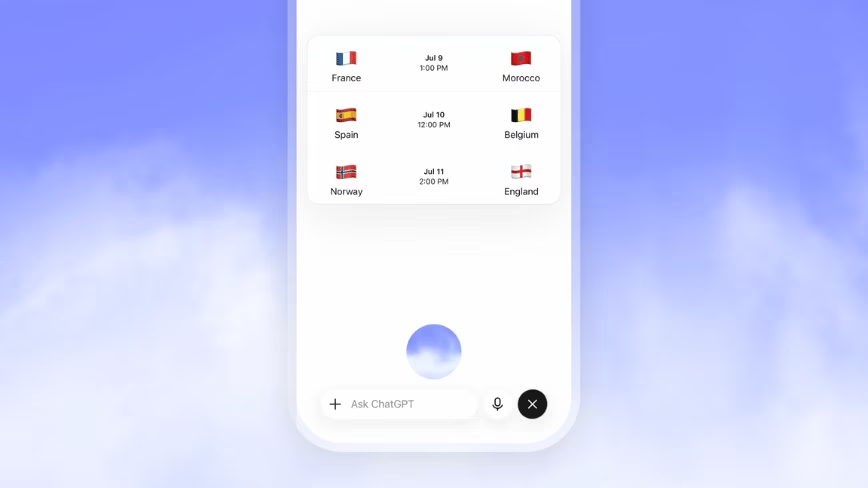
OpenAI introduced GPT-Live, a new voice interaction capability for ChatGPT that lets users speak and listen simultaneously. GPT-Live includes two versions: GPT-Live-1, the full model, and GPT-Live-1 mini, a smaller alternative. These models enable ChatGPT to handle full-duplex voice conversations, allowing the AI to respond in real time while the user is still talking.
Why it matters
The launch shifts the user experience from typing or single-turn voice prompts to fluid, natural conversations. This full-duplex interaction makes ChatGPT more practical for hands-free, real-time use cases like meeting assistance, customer support, or on-the-go information requests. It reduces friction in voice-based workflows, which could speed adoption of AI assistants in workflows where multitasking or immediacy is crucial.
Who it is for
ChatGPT users needing enhanced voice communication benefit the most. This includes professionals who multitask and want AI assistance without pausing to type or wait for full replies. Developers and product teams integrating ChatGPT voice features can leverage both the full and mini models depending on performance and resource constraints.
The catch
Real-time voice interactions demand robust infrastructure and may increase operational costs, especially for the full GPT-Live-1 model. Also, a seamless experience depends on users’ audio environments and device capabilities. Privacy and accuracy concerns rise with always-listening, simultaneous input-output setups, which companies must handle carefully.
What to watch next
Adoption rates in business applications will reveal if full-duplex AI voice is worth the complexity and cost. Competitors may accelerate similar features as voice interaction pressure rises. Tech teams will focus on improving responsiveness, reducing latency, and balancing quality versus resource demand between the full and mini GPT-Live models.
AI Quick Briefs Editorial Desk