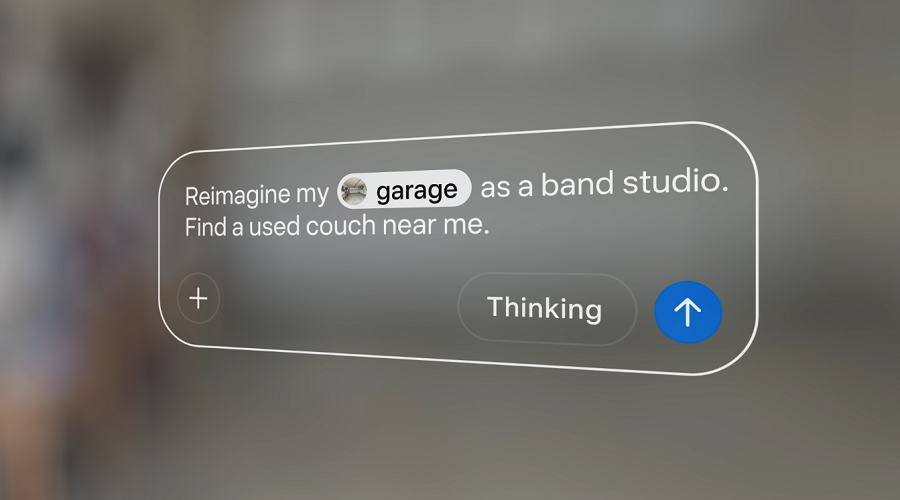
Meta rolls out Muse, a new AI image generator

What it does
Meta has launched Muse, a new AI-powered image generator that creates visuals from text prompts. The tool is designed to produce high-quality images with fine details, supporting a range of creative styles and concepts. Muse can generate images for digital content, advertising campaigns, home decorating ideas, and creator projects, offering more customization and creativity options than typical AI generators.
Why it matters
Muse challenges existing image generation tools by focusing on practical, real-world uses outside the usual art experiments. Its technology can speed content production, reduce costs for visual assets, and open fresh avenues for personalized advertising and creative work. For businesses, Muse lowers the barriers to producing tailored images without large design teams. For creators, it expands the toolkit with an intuitive AI that adapts to precise needs.
Who it is for
The tool targets advertisers needing fast, custom visuals, interior decorators wanting to visualize concepts, and independent creators or small businesses seeking affordable image production. It also benefits marketers and social media managers who must generate constant visual content that fits specific brand styles and messaging. Muse’s flexibility makes it relevant for anyone who relies on unique images but lacks the budget or skills for traditional design workflows.
The catch
Meta’s rollout details are still limited, so early access and integration options may be restricted. Like many AI art models, Muse’s output quality and reliability depend heavily on prompt quality and iteration, placing some creative burden on users. There are also ongoing questions around copyright and content safety in generated images, which operators must navigate carefully.
What to watch next
Look for Meta to expand Muse’s availability, add user-friendly controls, and integrate it into existing content or ad platforms. Tracking performance in commercial use cases will clarify if Muse lowers production costs or dictates new standards in AI-driven creative workflows. Regulatory scrutiny around copyright in AI-generated works may also influence how widely and quickly Muse can be adopted.
AI Quick Briefs Editorial Desk