Waymo’s robotaxis stalled, snarled traffic, and drove into fireworks on July 4
What happened
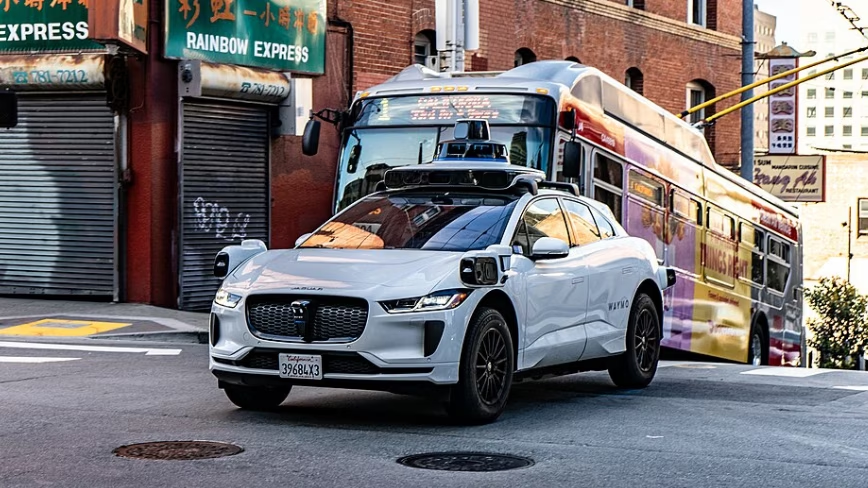
Waymo’s robotaxis ran into multiple problems over the July 4 holiday in San Francisco. Several cars stalled and ran out of charge, causing major traffic jams. One robotaxi drove over an active firework, which ignited and damaged the vehicle. These incidents turned Waymo’s driverless cars into a local traffic headache instead of a showcase for autonomous technology.
Why it matters
Waymo’s robotaxi issues expose the operational challenges still facing autonomous vehicle fleets. Running out of charge in a dense urban environment reflects gaps in energy management and routing algorithms. Traffic congestion caused by stalled vehicles adds real-world friction to driverless deployment, putting pressure on local governments and operators to manage AV disruptions. The vehicle fire triggered by a firework highlights unusual safety risks that could affect passenger protection protocols and public perception. For fleets and cities investing in AV technology, these events raise the bar on reliability and risk management.
What to watch next
How Waymo responds to these failures will be critical. Operators should monitor improvements in battery management, emergency response to stalled cars, and environmental hazard detection like fireworks. Regulators and city officials may tighten rules or demand stronger safety assurances. This set of failures will likely dose cautious investors and potential enterprise customers with a reminder: autonomous vehicles remain vulnerable to unpredictable urban conditions that can slow mass adoption. The next moves will show if Waymo can scale driverless tech without creating costly operational disruptions.
AI Quick Briefs Editorial Desk