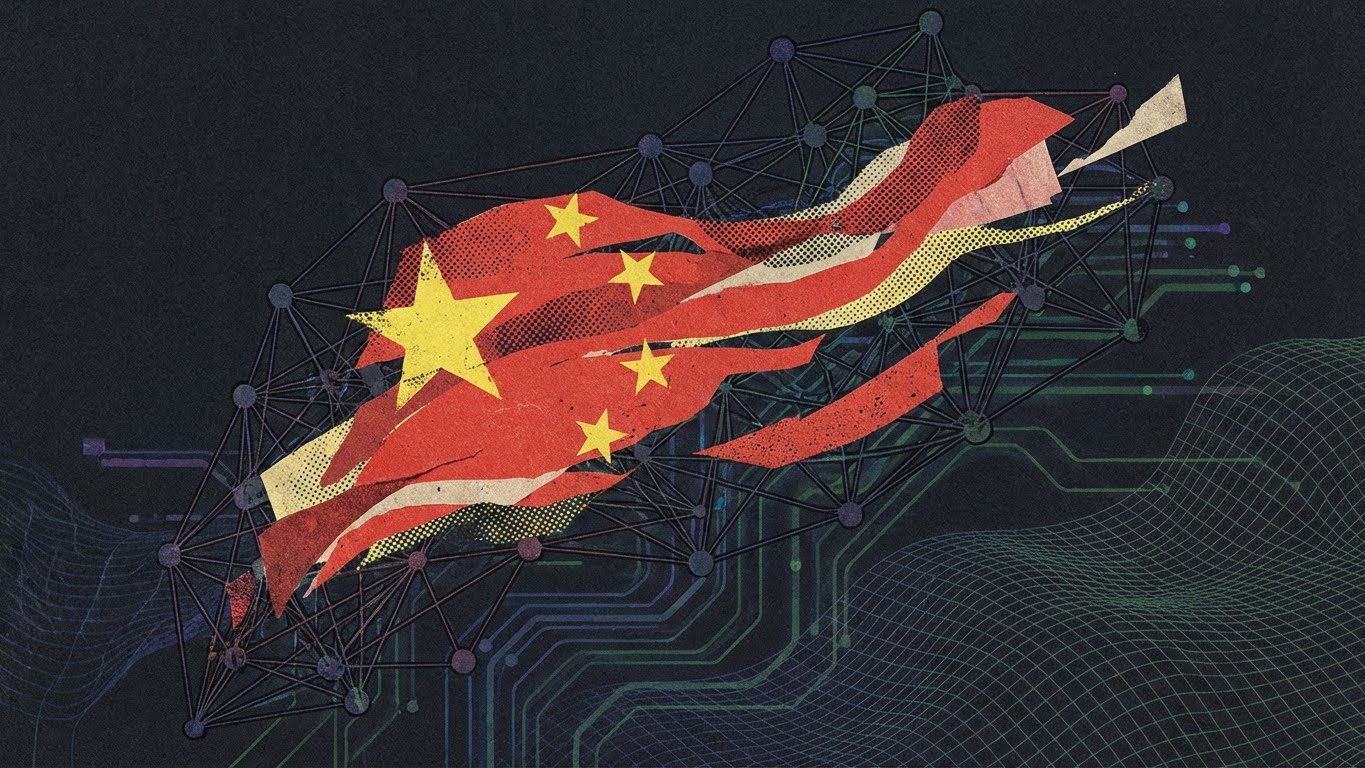
China weighs curbing overseas access to its top AI models

What happened
Chinese officials have held discussions on restricting overseas access to the country’s top open AI models. The Ministry of Commerce led meetings over the past month with major players like Alibaba, ByteDance, and startup Z.ai. The aim is to limit who outside China can use these powerful AI tools, signaling a potential pullback from the previously open model approach.
Why it matters
China’s AI models have been a resource for developers worldwide, offering alternatives to Western tools. Curbing overseas usage will tighten control over AI technology and limit foreign developers’ ability to build on Chinese platforms. This move pressures startups and companies relying on Chinese AI for innovation or cost advantages and shifts global AI power dynamics by restricting cross-border technology flow. It also signals Beijing’s intent to keep strategic AI capabilities within national borders, increasing barriers to international collaboration.
What to watch next
The key details to monitor are the scope and enforcement methods of these restrictions. Will the limits only affect select models or extend broadly to all Chinese AI services? How will foreign users be identified and controlled? The responses from Alibaba, ByteDance, and other firms involved will reveal how significant the pullback will be. Also, watch for potential retaliatory or parallel moves from other countries aiming to protect their AI ecosystems or secure sensitive technology.
AI Quick Briefs Editorial Desk