Boeing’s autonomous air taxi subsidiary faces a whistleblower lawsuit over rushed software testing
What happened
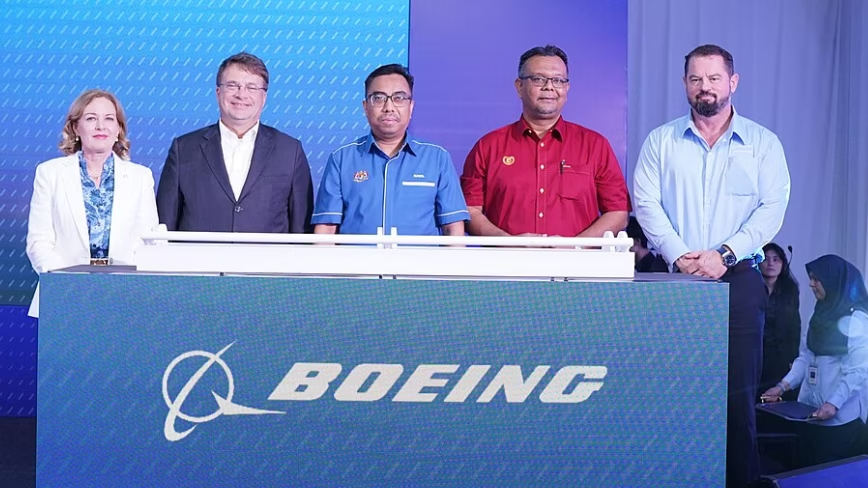
A former software manager at Wisk Aero, Boeing’s autonomous air taxi subsidiary, has filed a lawsuit alleging she was wrongfully terminated after raising safety concerns. Briahna O’Neill claims she was fired following complaints about the company cutting back on software testing protocols. The suit, filed in Santa Clara Superior Court, also accuses Wisk of discrimination. According to reports, O’Neill flagged that reduced testing compromised the safety of autonomous flight systems, a critical area for this emerging transport mode.
Why it matters
Software testing is a key safety layer in autonomous vehicles, especially air taxis where an error could be deadly. Rushed or thinned testing increases risk of system failure or unintended behavior in flight. The lawsuit puts pressure on Wisk and Boeing’s approach to quality assurance in a heavily regulated and safety-sensitive field. It also highlights the tension between speed-to-market and thorough validation, a common challenge for AI-driven transportation startups. For investors, regulators, and operators, this raises a red flag on trust and compliance at a high-profile autonomous aircraft player.
What to watch next
The legal case will test how whistleblower protections apply in the emerging autonomous aviation sector. Regulators may scrutinize Wisk’s software development and testing practices more closely. Boeing’s role and response could signal how larger aerospace firms balance innovation pace with safety oversight. For competitors, the case may reinforce the need for documented and rigorous testing to avoid similar fallout. Watching product timelines and certification progress will reveal if Wisk and Boeing recalibrate safety priorities under pressure.
AI Quick Briefs Editorial Desk