AI’s hopes and fears take over the world’s big central-bank gathering
What happened
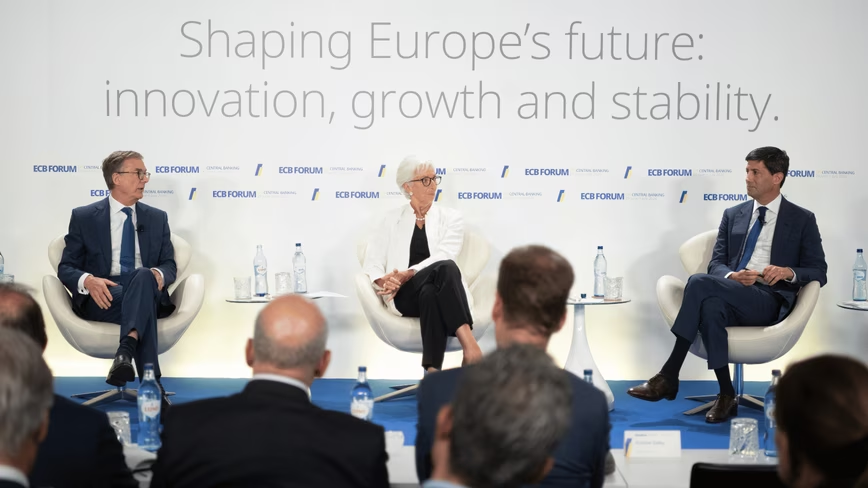
The world’s top central bankers gathered this summer at the Sintra forum near Lisbon, shifting their focus away from traditional inflation worries to the impact of artificial intelligence. For the first time, AI dominated the discussion as a disruptive force reshaping economic forecasts and policy tools. The group wrestled with how AI-driven productivity gains and job market shifts affect monetary policy, amid uncertainty about timing and scale. The meeting revealed central banks’ growing unease about managing economic stability while AI accelerates change in ways the existing frameworks struggle to measure.
Why it matters
Central banks set the tone for global economic policy, so their attention to AI signals rising pressure to incorporate these new variables. This shift means operators and investors should expect monetary policy to tighten or loosen not just on inflation and employment but also on AI’s effects on productivity and wage dynamics. Policymakers may slow traditional stimulus or shift interest rates faster if AI-driven automation disrupts labor markets unexpectedly. The focus on AI also pressures regulators to better understand its economic side effects, from wealth inequality to inflation measurement distortions. For businesses and investors, this points to a more volatile, less predictable policy environment shaped by AI’s economic footprint.
What to watch next
Monitor upcoming central bank communications for new frameworks integrating AI’s economic impact into forecasts and policy guidance. Watch for signs that banks tighten credit or pivot interest rates outside established inflation trends. Investors and founders should track how AI adoption influences labor markets and productivity data that central banks rely on. Regulatory moves to address AI-driven economic risks will emerge as a critical area. Ultimately, the Sintra forum sets a precedent for how economic stewardship will have to adapt quickly to AI’s disruptive ripple effects.
AI Quick Briefs Editorial Desk