Meta’s AI reads typed sentences from the brain, no surgery required
What it does
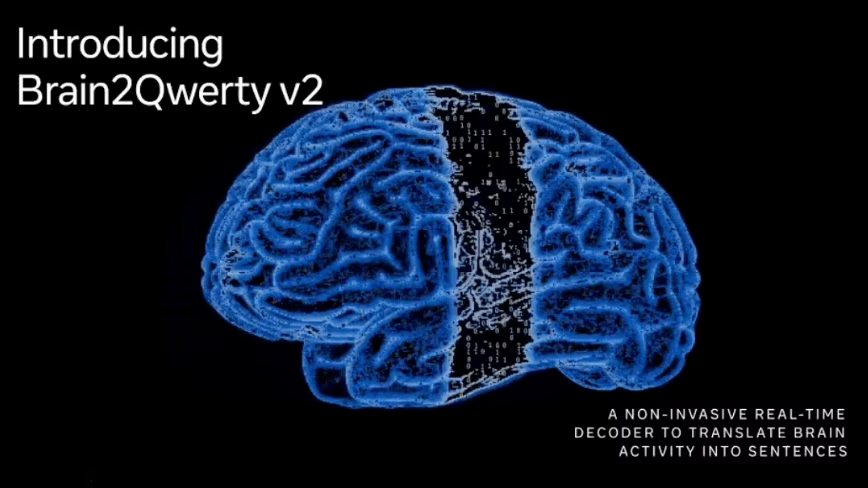
Meta has developed Brain2Qwerty version 2, a system that translates brain activity linked to typing into written sentences without requiring brain surgery. The breakthrough relies on non-invasive sensors to detect neural signals generated when users think about typing. The system then converts these signals into text in real time.
Why it matters
This technology targets people who cannot physically type due to paralysis or other conditions. It offers a way to communicate through thoughts alone, potentially restoring typing ability without risky brain implants. For operators and builders, it points to a future where brain-computer interfaces no longer depend on invasive hardware, which reduces medical risks, deployment costs, and technical barriers.
Who it is for
Brain2Qwerty is aimed at individuals with severe motor impairments, such as paralysis, who want to regain the ability to type text. It could also interest assistive technology companies looking to develop non-surgical communication aids. Healthcare providers focused on neuro-rehabilitation might consider this a meaningful tool to expand patient communication options.
The catch
The key limitation is that the system learns from users’ existing typing habits. People who cannot type at all do not have brain signal data that the AI can train on. This means the current technology favors users who have lost physical ability but retain the memory of typing. Users with no prior typing experience or significant neural damage may not benefit.
What to watch next
Follow Meta’s progress on expanding training methods that do not rely on prior typing signals. Advances that address the learning limitation will widen the technology’s reach to more severely impaired individuals. Also watch for integration partnerships with assistive device makers and any regulatory reviews addressing safety and privacy of reading brain signals non-invasively.
AI Quick Briefs Editorial Desk