Scammers Sell Seeds for Exotic AI-Generated Flowers That Don’t Exist
What happened
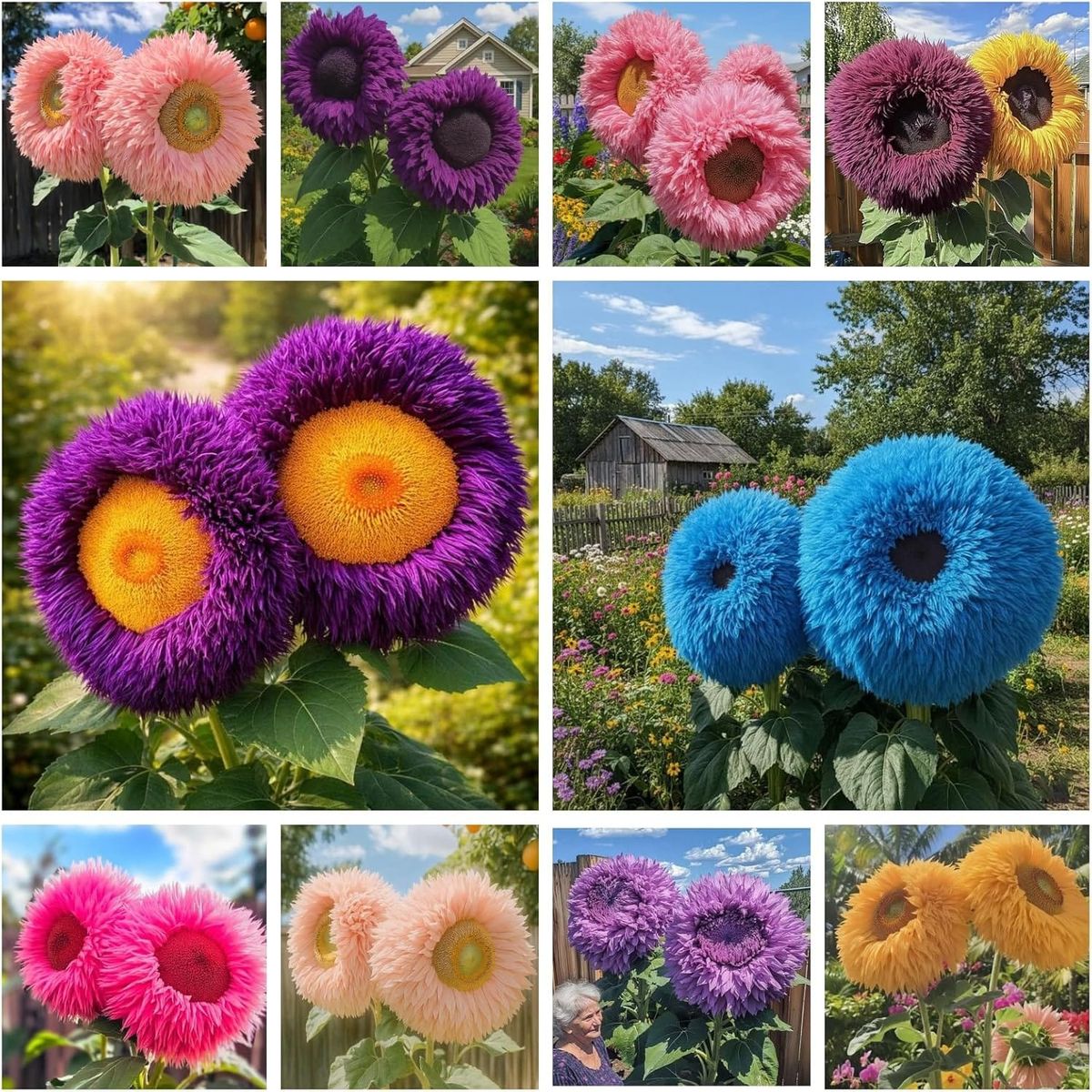
Scammers are selling seeds for exotic flowers that do not exist, using AI-generated images to lure buyers. Platforms like Ebay, Amazon, and Etsy are flooded with listings showing highly detailed pictures of imaginative flowers created by artificial intelligence. Buyers receive either standard seeds or empty packages, since the advertised plants are completely fictional and cannot grow.
Why it matters
The flood of AI-generated seed scams pressures online marketplaces to improve detection and enforcement around misleading listings. Sellers exploit the trust in product images without easy verification, raising the cost and effort required for platforms to police fraudulent content. For buyers, the risks include wasting money on worthless products and losing confidence in marketplaces. Sellers of legitimate seeds also face reputational damage as trust erodes.
The scam reflects a broader challenge of AI content being weaponized for fraud. The ability to produce convincing but false product images at scale forces marketplaces and regulators to rethink how to validate authenticity beyond visuals. This drives up operational costs while making fraud detection more complex, slowing down efficient e-commerce.
What to watch next
Watch how marketplaces respond with new verification processes, such as requiring proof of seed provenance or using AI tools tuned to detect generated images. Expect pressure for stronger penalties against sellers promoting fake goods as technology lowers the barrier for creating deceptive, high-quality visuals. Buyers will likely become more cautious and demand more transparency on product origins.
The ongoing adaptation to AI-based fraud in e-commerce will shape how marketplaces balance automation with human review and influence future policies around AI-generated content in commercial listings.
AI Quick Briefs Editorial Desk


