South Korean tech giants commit over $550B to ease ‘ RAMageddon’

The business move
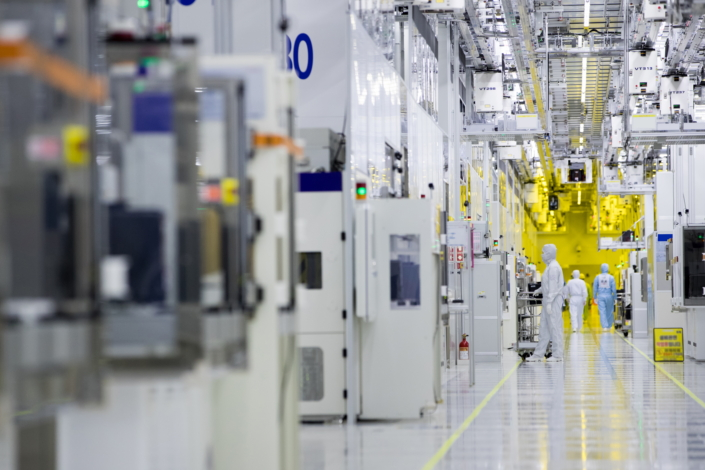
South Korea’s memory chip powerhouses are pouring more than $550 billion into expanding memory fabrication capacity. This massive investment targets easing the global shortage crisis dubbed ‘RAMageddon.’ The commitment focuses on building state-of-the-art memory lab fabs, signaling South Korea’s push to secure a dominant position in AI hardware supply chains. The world’s two largest memory chip manufacturers are leading this charge, aiming to meet ballooning global demand for memory critical to AI and high-performance computing.
Why it matters
Memory chips like DRAM and NAND are central to running AI models and data centers efficiently. Persistent shortages have driven up costs, slowed AI product rollouts, and increased supply chain risk for device makers and cloud providers. South Korea’s commitment significantly shifts power in memory manufacturing toward companies controlling supply volume and technology advancements. Increasing capacity could lower memory prices and mitigate supply disruptions, relieving pressure on AI infrastructure operators and cloud providers. The investment also cements South Korea’s role as a key AI tech hub, attracting related manufacturing and innovation.
Who gains and who gets squeezed
Memory buyers—cloud providers, AI model trainers, and hardware makers—stand to benefit from a better supply-demand balance and more stable pricing. South Korean chipmakers strengthen their market position, increasing scale advantages and setting pace on next-generation memory tech. Conversely, companies outside South Korea or those tied to older fabs may face tighter margins or increased competition. The investment raises the bar for new entrants due to the massive capital required, reinforcing incumbent dominance and potentially limiting supply chain diversity.
What to watch next
Watch for how quickly these new fabs come online and impact global memory supply. Keep an eye on technological innovations embedded in these fabs that could shift performance and efficiency standards for AI memory. Also, observe how suppliers outside South Korea respond—whether by ramping up investments or through strategic partnerships—and how geopolitical tensions shape chip supply resilience. Memory pricing trends and AI infrastructure availability in the next two to three years will reflect whether this capital infusion effectively relieves current RAM shortages.
AI Quick Briefs Editorial Desk