OpenAI unveils GPT-5.6 amid US AI regulatory drama

What happened
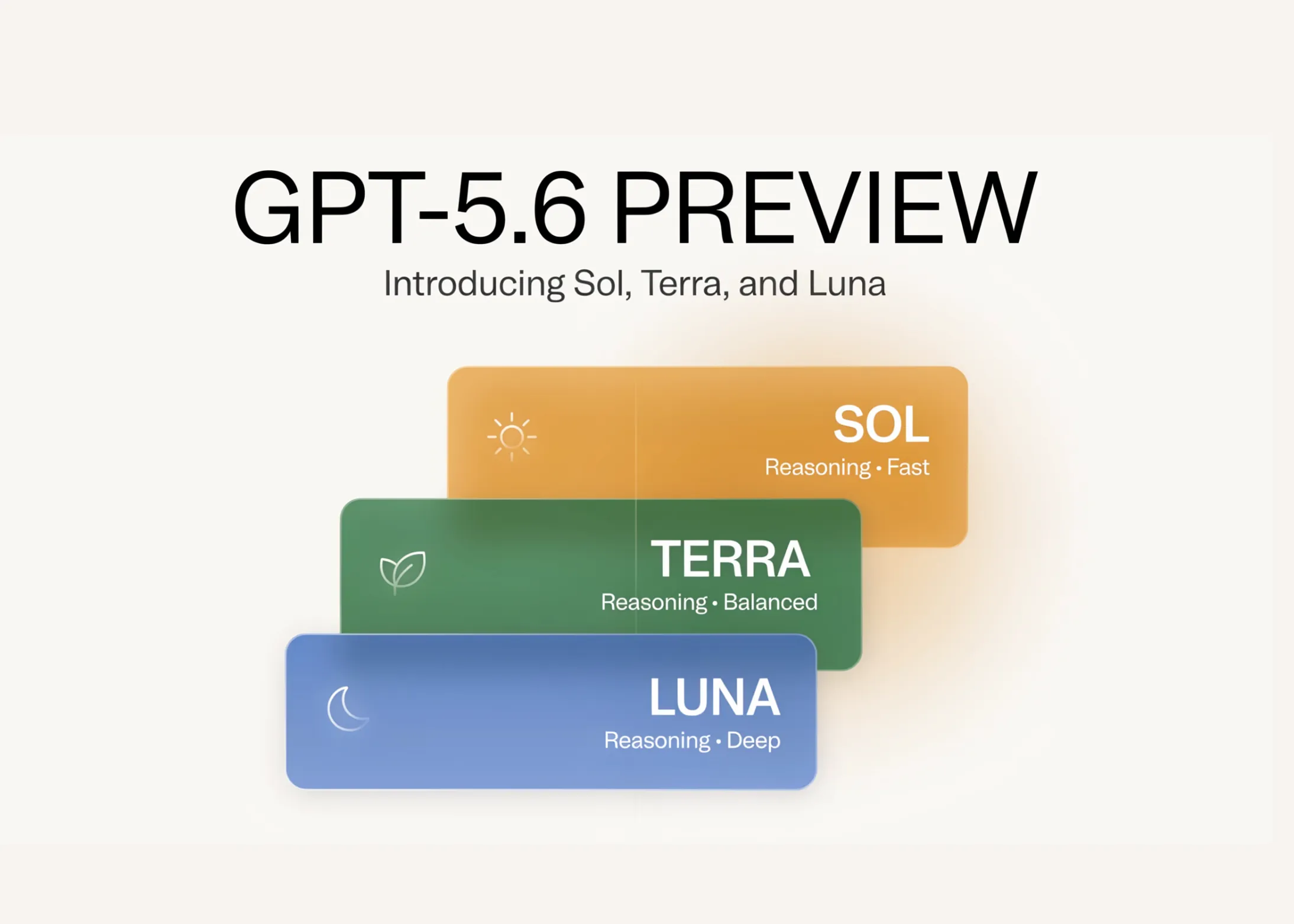
OpenAI released a limited preview of GPT-5.6 less than 24 hours after reports that the Trump administration asked to stagger the model’s rollout. The new suite includes three versions: Sol, the flagship; Terra, aimed at high-volume work; and Luna, designed as a fast, cost-effective everyday option. OpenAI highlights GPT-5.6’s strengths in coding, cybersecurity, and biology, along with improved focus on long-term AI tasks.
Why it matters
This release puts OpenAI back in the spotlight amid growing US regulatory pressure on AI development. Splitting the model into tiers reflects a cautious approach to managing both capacity and risk, balancing access with control. The emphasis on coding and cybersecurity signals where OpenAI expects real business demand and competitive advantage. For organizations relying on AI-powered coding, security, or biotech applications, GPT-5.6 could raise the bar on what is achievable today. At the same time, layering the rollout in response to government concerns shows how policy is now directly influencing release strategies and timelines.
What to watch next
How OpenAI expands access to the three GPT-5.6 models will be key. Will Sol remain tightly controlled or open up quickly to enterprise customers? Watch for adoption rates of Terra and Luna in high-volume and everyday AI workflows. The regulatory environment remains a wild card: further government intervention could delay or limit broader availability. Finally, practical performance—especially in coding and security tasks—will determine if GPT-5.6 truly delivers operational gains beyond hype and earlier models.
AI Quick Briefs Editorial Desk