5 Agentic Workflows to Automate Your Data Science Pipeline
What changed
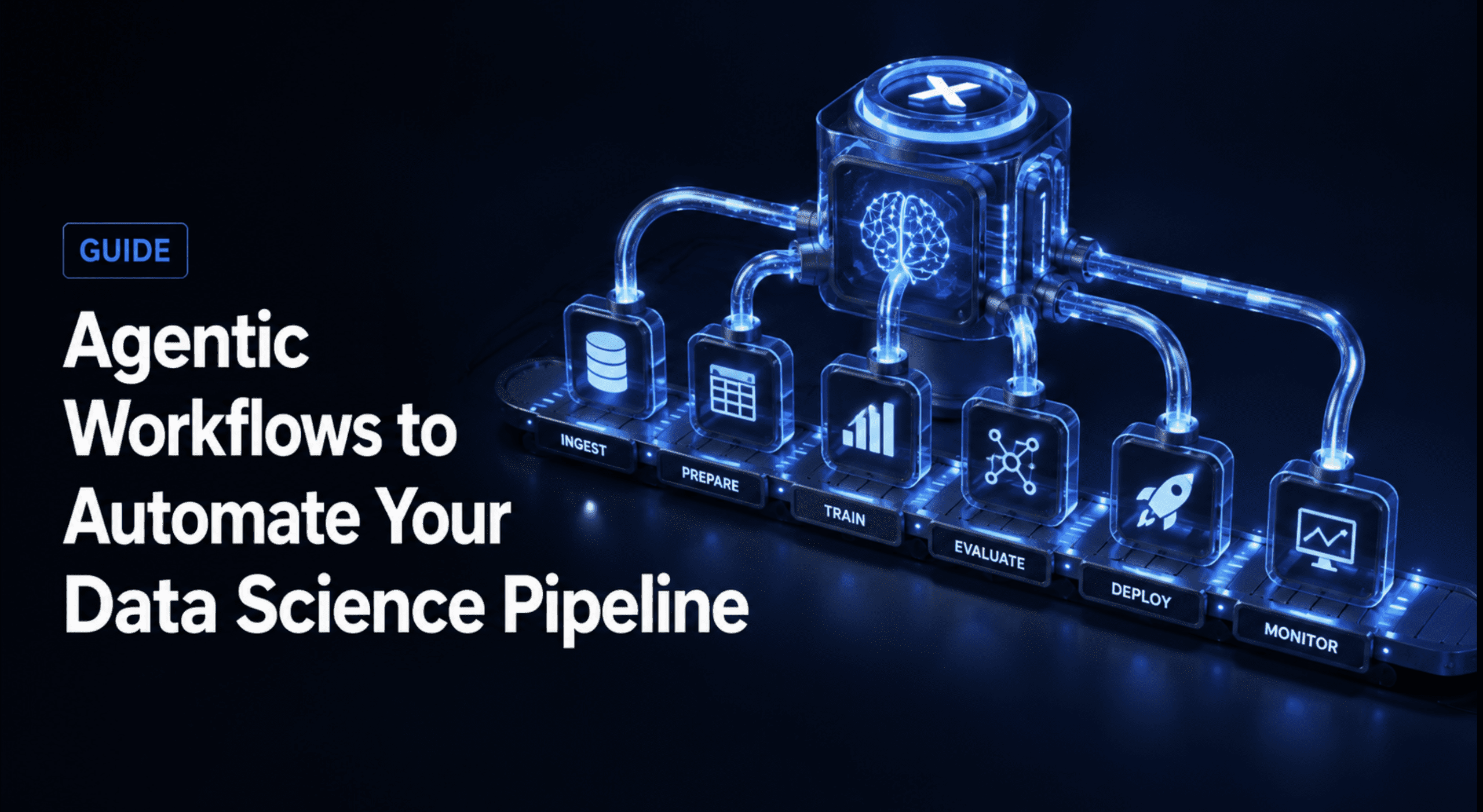
Five specific agentic workflows have been detailed for automating each major stage in a data science pipeline. These workflows use AI agents to handle tasks across data ingestion, cleaning, exploration, modeling, and deployment. Instead of manual steps or isolated tools, these agentic workflows connect every phase in an end-to-end system focused on autonomous action and decision-making.
Why builders should care
Data science pipelines are often fragmented and manual, creating bottlenecks that slow product iterations and insights. Applying agentic workflows streamlines these stages, reduces human error, and accelerates experimentation. Builders who adopt these approaches can cut down time spent on routine tasks, focus efforts on refining model quality, and scale up deployment efficiency. This also eases collaboration by standardizing workflows into autonomous agents that communicate clearly and carry out precise roles.
The practical takeaway
Automating data ingestion with agents means faster, more reliable data access from multiple sources without manual wrangling. Cleaning workflows reduce errors early on, improving input quality. Exploration agents generate insights and feature suggestions instantly, speeding analysis phases that normally stall teams. Model-building agents automate hyperparameter tuning and testing, saving days or weeks. Finally, deployment agents handle monitoring and updates automatically, reducing operational risks. Taken together, these workflows create a pipeline that requires less hands-on management and delivers results faster.
What to watch next
Look for emerging frameworks and products that package these agentic workflows into deployable tools or APIs. Adoption by data teams and enterprises will pressure vendors to embed agentic automation natively into analytics infrastructure. There could be new standards for pipeline transparency and agent behavior as workflows take on more responsibility. Builders should also watch how integrating these agents affects model governance and compliance when pipelines act autonomously. Practical maturity will come from balancing automation speed gains with needed human oversight.
AI Quick Briefs Editorial Desk


