The EU signs up to Pax Silica, the US-led chip pact France called colonisation
What happened
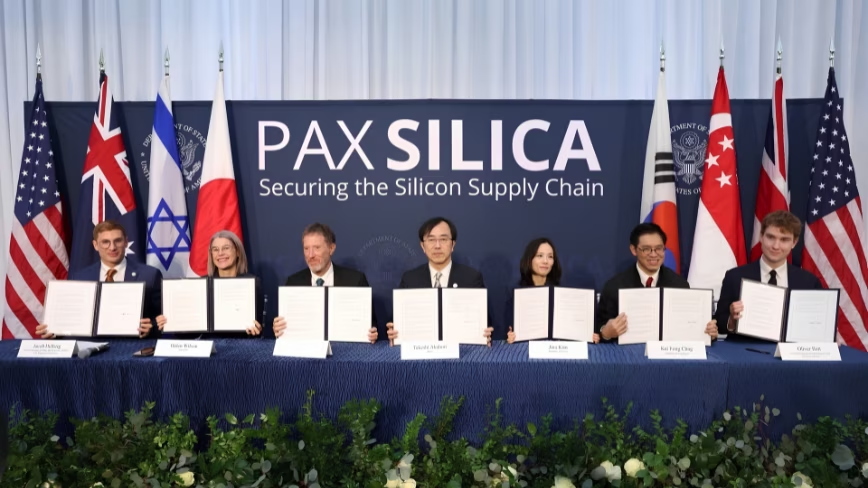
The European Union is joining Pax Silica, a US-led initiative aimed at coordinating AI chip supply chains and imposing export controls targeting China. This move comes two weeks after the EU unveiled a technology sovereignty plan designed to reduce dependence on foreign technology, including chip imports. Pax Silica is focused on securing the supply of AI semiconductors, a critical bottleneck in AI development and deployment, by aligning allies on production, trade rules, and export restrictions.
Why it matters
The EU’s decision to join this US-driven alliance changes the dynamic of its tech sovereignty goals. Instead of pushing for independent chip production and self-reliance, Brussels is agreeing to coordinate security and trade policies with Washington. This implies European AI builders and chip buyers will face clearer export controls that limit sales to China, restricting access to AI hardware markets. Manufacturers and investors in the EU chip ecosystem now operate under the influence of US geopolitical priorities, potentially slowing raw capacity expansion within Europe but strengthening alliances on tech security.
What to watch next
Expect tighter export controls on chip-related products originating from EU countries aligned with Pax Silica. European chipmakers may face new pressure to comply with US-style restrictions, influencing supply agreements and investment flows. The EU will have to balance its tech sovereignty ambitions against the demands of this alliance, especially if the US strengthens export curbs or pushes for wider technology sharing rules. Watch for how this shapes EU investments in chip fabrication and whether it stokes tensions within Europe’s industrial policy circles.
AI Quick Briefs Editorial Desk