The algorithm has a nose now, and perfume is better for it
What happened
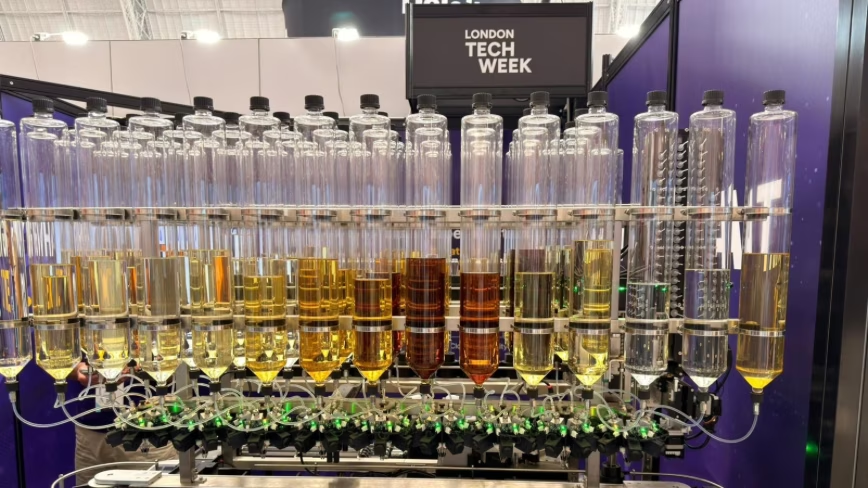
A shop on Ginnekenstraat in Breda, Netherlands, uses an AI-driven process to create personalized perfumes on the spot. Customers answer a short questionnaire unrelated to typical sales questions, such as which color represents their personality, rather than familiar scent preferences. Less than an hour later, the shop produces a custom fragrance that did not exist before the interaction, blending AI with fragrance chemistry in real time.
Why it matters
This approach pressures traditional perfumery by automating personalization and collapsing development cycles from months or years to under an hour. It moves beyond relying on human sales assistants or fixed scent catalogs. The AI algorithm interprets human inputs in novel ways, enhancing the precision of fragrance creation to align with individual identity markers rather than standard market categories. For businesses, this means reshaping customer engagement and inventory models, potentially reducing waste and stock costs by making perfumes to order.
What to watch next
Watch for this technology expanding into other cities and markets, as AI-driven customization gains traction in luxury retail. Expect competitive pressure on traditional fragrance houses to integrate AI or face losing millennials and Gen Z consumers who value hyper-personalized products. Also track if this process integrates with e-commerce, which would disrupt perfume sales by allowing true customization online rather than sample-based selection.
AI Quick Briefs Editorial Desk