US energy regulator moves to speed up data center projects
What happened
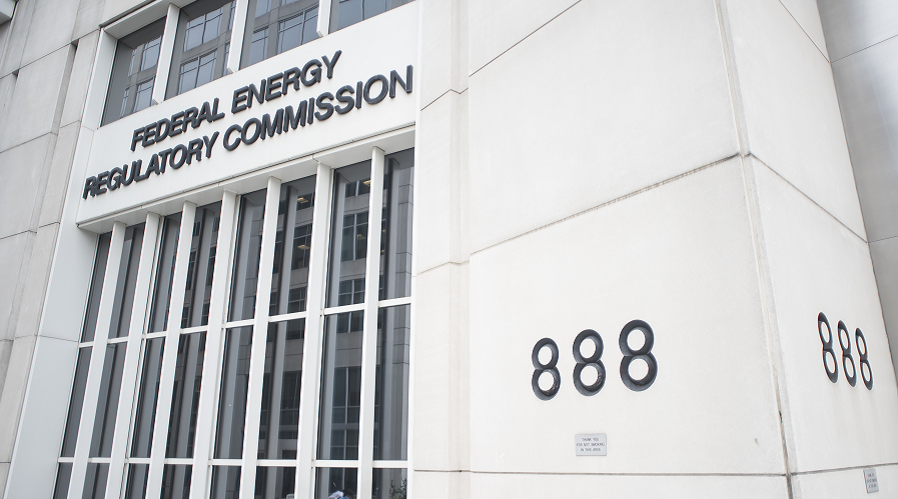
The U.S. Federal Energy Regulatory Commission (FERC) approved a set of orders aimed at accelerating data center projects. The five commissioners agreed unanimously to implement these changes as part of a broader push launched last year by Energy Secretary Chris Wright. The goal is to streamline regulatory hurdles and speed up the timeline for building new data centers.
Why it matters
Data centers require massive energy inputs and face complex regulatory reviews before construction. By speeding up approvals and simplifying processes, FERC is reducing delays that add cost and uncertainty for developers and operators. Faster project timelines can lead to quicker capacity expansion, supporting growing demand for cloud, AI, and other compute-heavy workloads. This could also ease supply chain timing issues for hardware vendors and data center builders.
At the same time, these orders put more pressure on energy infrastructure to keep up with spikes in demand. Regulators and operators must balance faster approvals with maintaining grid stability and meeting power quality standards. For investors and operators, quicker regulatory backlogs mean faster capital deployment but also the need for more agile energy planning.
What to watch next
The practical impact will depend on how effectively FERC and local utilities execute the new directives. Watch for changes in project approval speed and whether data center pipeline growth accelerates substantially. Energy providers and grid operators will need to adjust in real time to manage the quicker turnover of projects demanding large, steady power draws.
Investors should monitor any shifts in project risk profiles or financing terms tied to streamlined regulations. Also, watch for potential state-level responses or pushback that might complicate or slow down local execution despite FERC’s efforts.
AI Quick Briefs Editorial Desk