Loss Function Explained For Noobs (How Models Know They Are Wrong)
Quick take
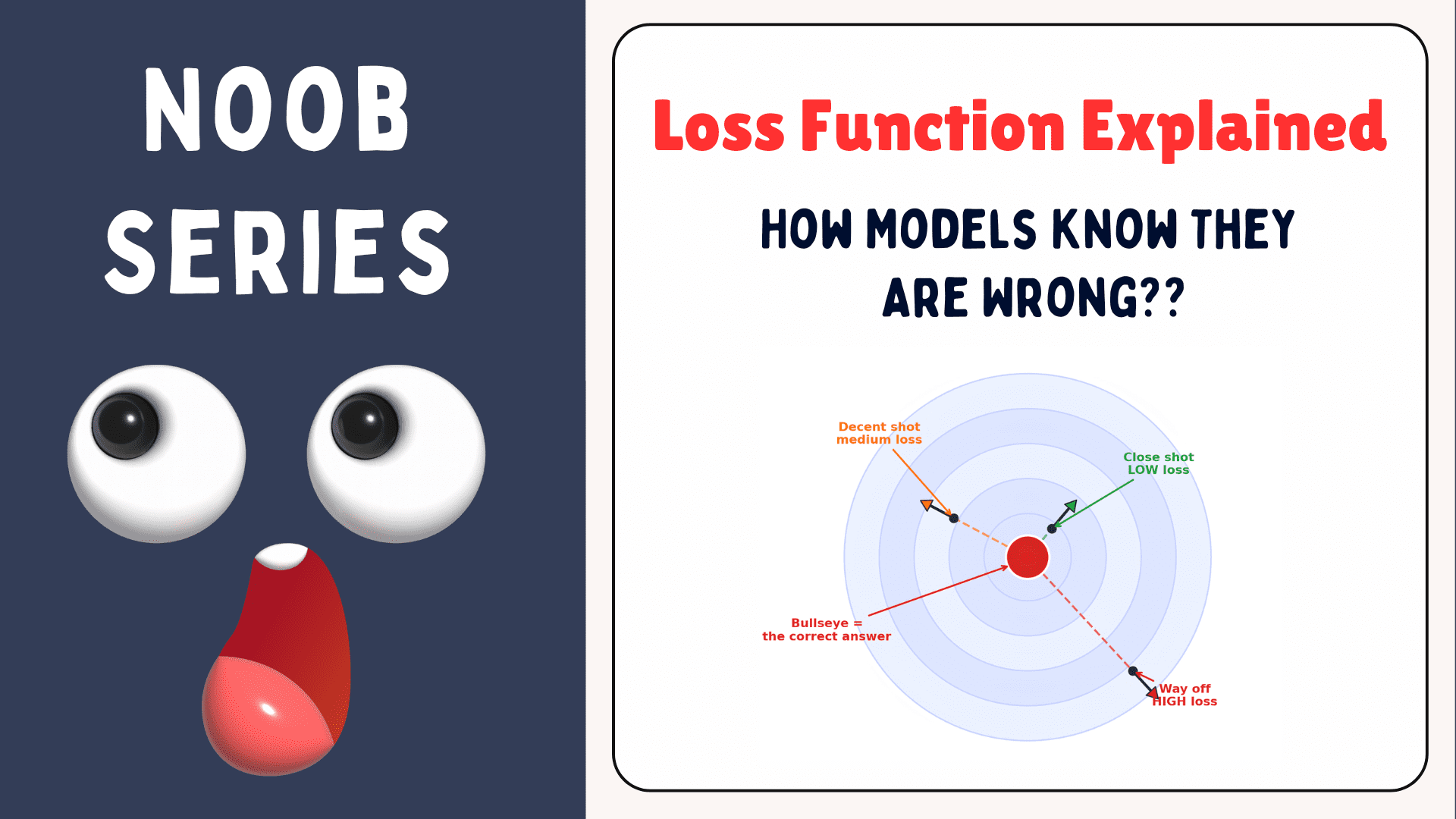
Loss functions are the tool machine learning models use to measure their errors. When a model makes a wrong prediction, the loss function assigns a number that quantifies how bad that mistake is. This number guides the model’s adjustments during training, pushing it to minimize errors over time.
Loss functions come in different shapes depending on the task. For example, in classification problems, common loss functions like cross-entropy focus on the probability difference between the predicted and actual labels. For regression tasks, functions like mean squared error track how far predicted values stray from real numbers. The core idea is the same: translate wrong answers into a precise penalty.
Why it matters
Understanding loss functions is crucial for anyone building or overseeing AI systems. The right loss function ensures the model trains toward meaningful results, not just arbitrary fit. Picking an improper loss function can mislead the model, causing poor accuracy or overfitting. For operators, it affects how much trust to place in the model’s predictions and guides where to invest in further tuning.
In practical terms, recognizing how your model “knows” it is wrong means spotting when error signals don’t align with business goals. This awareness can prevent wasted compute, misguided experiments, and inflated costs. It also tightens feedback loops, allowing faster improvement cycles and more reliable AI products.
AI Quick Briefs Editorial Desk