China tightens indium phosphide checks as AI demand climbs
What happened
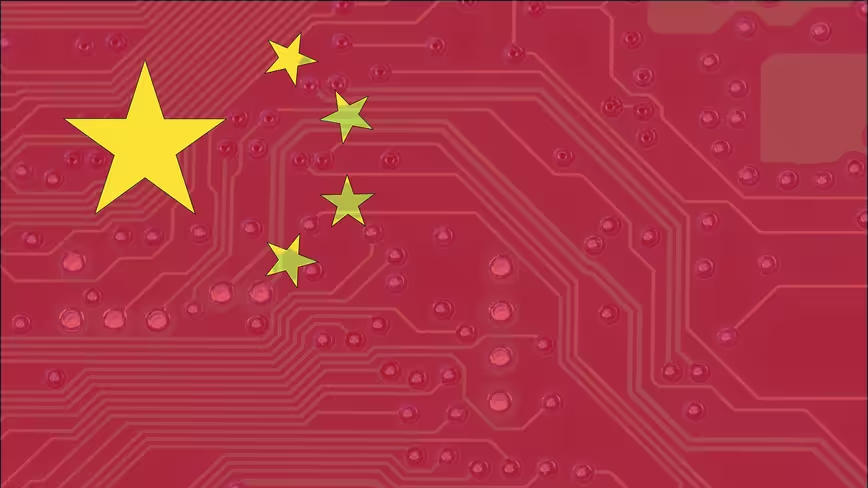
China has increased export controls on indium phosphide, a rare compound critical for manufacturing high-speed optical chips used in AI data centers. These chips move massive amounts of data quickly and reliably, making them fundamental infrastructure for AI operations. The tighter scrutiny aims to restrict how much indium phosphide leaves China, where most of the world’s supply originates.
Why it matters
This move puts new pressure on AI hardware supply chains. Indium phosphide is not a widely known metal, but it is a key bottleneck for scaling AI data centers. Limiting exports raises costs and slows the buildout of high-speed optics critical for AI workloads. Companies that operate or build these data centers could face longer timelines and higher prices for essential components.
The restriction also exposes dependence on China for key materials in advanced chip manufacturing. This risk amplifies geopolitical tensions and supply chain fragility just as demand for AI infrastructure is exploding. Businesses and investors need to account for potential delays and price volatility driven by these export controls.
What to watch next
Monitor how other countries respond to secure alternative sources or increase domestic production of indium phosphide. Also watch for shifts from AI hardware makers toward substitute materials or designs that rely less on tightly controlled components.
AI infrastructure projects could face staging changes or added costs as supply tightens. Tracking inventory and diversifying suppliers will become more critical for operators and founders building AI platforms.
The evolving geopolitical landscape around rare materials will shape which companies and regions maintain momentum in AI chip production and deployment.
AI Quick Briefs Editorial Desk