SpaceX wants to build AI data centers in space. Will it work?
What happened
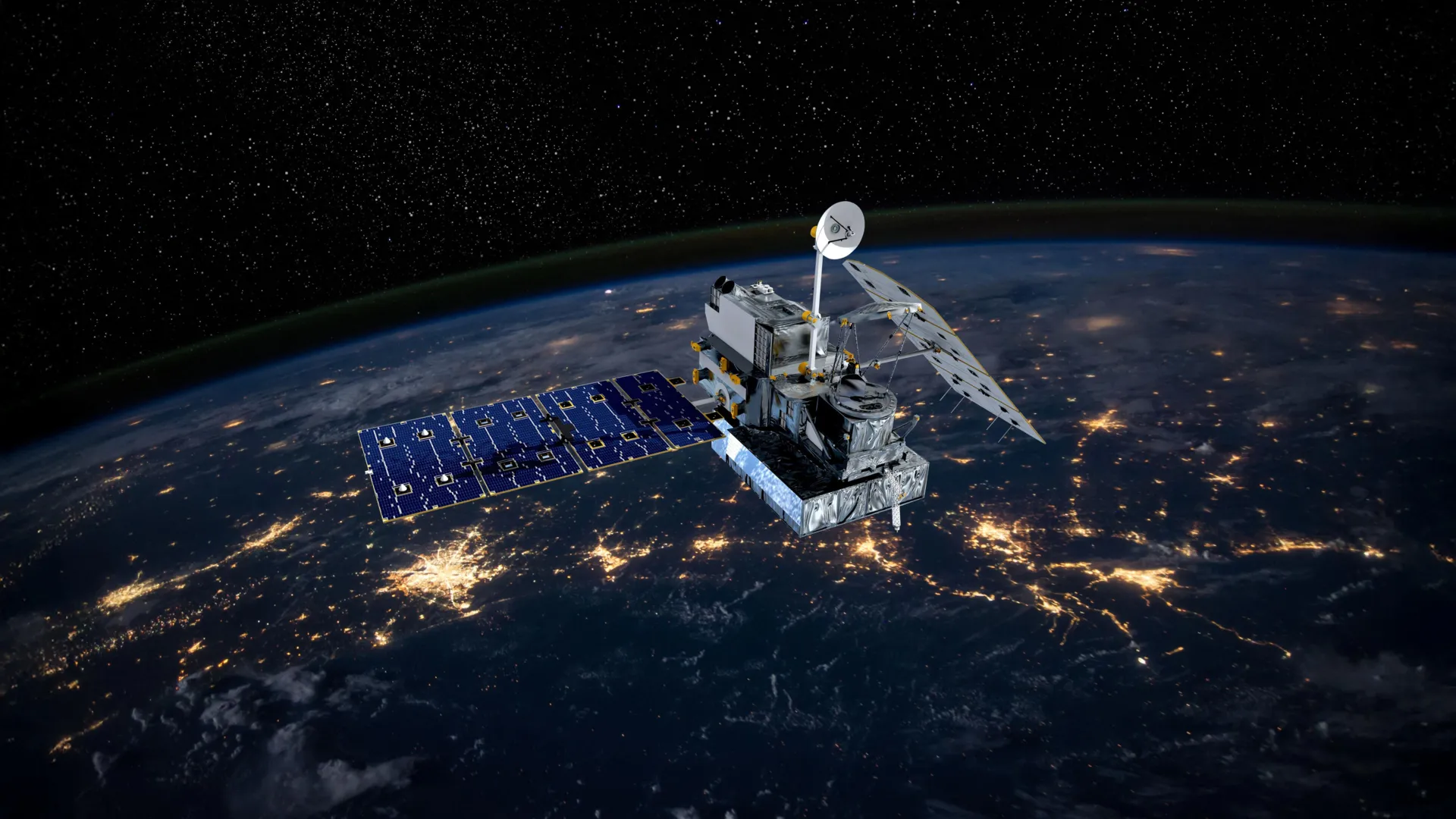
SpaceX is exploring the idea of building data centers in orbit to meet growing AI computing demands. The plan aims to take advantage of the constant solar power available in space while sidestepping some of the environmental and physical constraints of Earth-based facilities. However, the concept faces major challenges due to harsh space conditions, including cooling issues, equipment maintenance difficulties, radiation exposure, and the threat of orbital debris.
Why it matters
AI workloads are driving demand for massive computing power, putting pressure on Earth’s data center infrastructure and energy grids. Moving data centers off-planet could open new avenues for scaling AI hardware without worsening terrestrial environmental problems. Constant solar energy in space promises more reliable, renewable power, potentially lowering operational costs over time. However, the lack of atmosphere complicates cooling, a critical issue since overheating can cripple AI hardware. Also, repairs and upgrades would be significantly more expensive and slower than on Earth.
These factors force a reconsideration of AI infrastructure strategies. Companies and investors interested in next-generation AI and cloud computing should monitor the economic and technical feasibility of space-based data centers. It changes the rate at which AI computation scales and shifts investment focus toward novel engineering solutions for extreme environments.
What to watch next
Look for technical breakthroughs in remote maintenance, radiation-hardened hardware, and efficient cooling technologies adapted for vacuum conditions. SpaceX’s progress will also depend on how it addresses orbital debris risks and integrates with existing satellite networks. Tracking regulatory moves around space operations and commercial orbital facilities will be important, as these could impact timing and costs. Finally, other cloud and AI infrastructure players might join or respond to this approach, increasing competitive dynamics in the market for large-scale AI compute resources.
AI Quick Briefs Editorial Desk