UPS is building a real-time digital twin of its entire logistics network, updated every 10 minutes
What happened
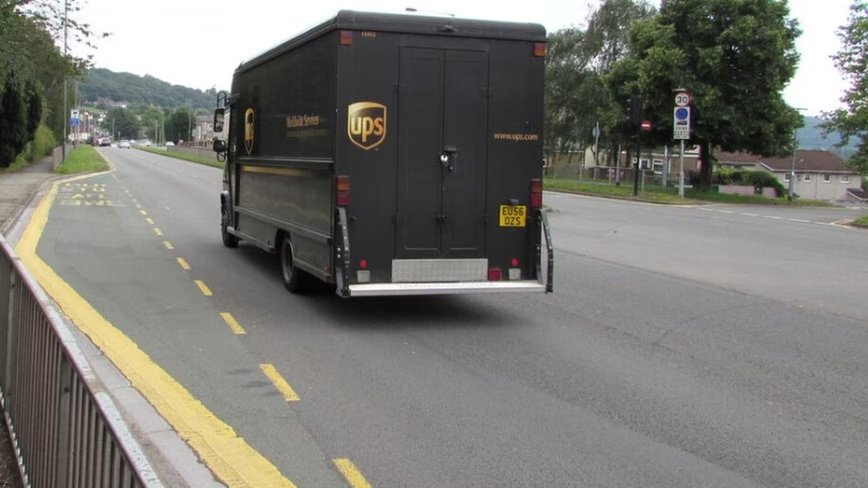
UPS announced it is building a real-time digital twin of its entire global logistics network with updates every 10 minutes. This digital twin replicates the company’s facilities, air and ground transportation routes, and package flows from end to end. The system continuously monitors logistics performance to dynamically adjust operations and allow the network to “self-heal” around disruptions or inefficiencies.
Why it matters
A real-time digital twin at this scale lets UPS anticipate and respond to problems faster, reducing delays and costs tied to operational disruptions. Updating every 10 minutes means UPS can match decisions to the current state of the network rather than relying on outdated data or slower forecasts. This forces competitors to consider similar systems just to keep pace on service reliability and cost efficiency. For shippers and customers, it pressures expectations toward near-instant visibility and responsiveness in supply chains. It also illustrates how AI combined with digital twins can transform complex logistics from reactive to proactive operations.
What to watch next
Observe how UPS integrates this system with existing AI initiatives, such as predictive analytics and autonomous routing. The real benefit will come from how well the digital twin links data streams across different modes and geographies to drive actionable insights. The pace of rollout and adoption by other logistics providers will indicate whether this approach becomes a new industry baseline. Also watch for challenges UPS might face around data accuracy, security, and the operational complexity of managing a constantly updating digital replica at this scale.
AI Quick Briefs Editorial Desk