Mobileye puts self-driving tech in 230 million cars. Now it wants to run its own robotaxis.
What happened
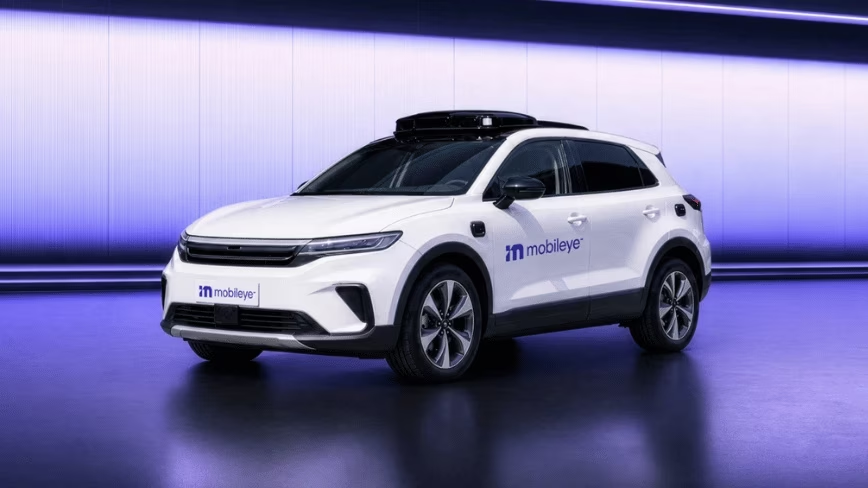
Mobileye has equipped over 230 million vehicles worldwide with its self-driving technology, supplying cameras, chips, and software for two and a half decades. Now the Israeli company plans to shift from being a component supplier to operating its own robotaxi fleet. On June 16, Mobileye announced it will start running fully autonomous taxi services under its own brand.
Why it matters
Mobileye moving into robotaxis puts pressure on established ride-hailing and robotaxi companies that have so far relied on partners or suppliers for self-driving tech. Instead of just selling parts, Mobileye wants a direct piece of autonomous ride revenue. This shifts how the driverless market will evolve, with tech suppliers becoming operators.
Mobileye’s existing presence in hundreds of millions of cars gives it a huge data advantage. That data can improve its driving software and reduce costs faster than startups lacking that scale. The move tightens the race in robotaxis by increasing competition from a veteran chip and vision system leader.
For automakers, Mobileye’s strategy could mean added leverage to control autonomous systems or direct entry into ride services, raising questions about how car companies position themselves in a market where tech providers dominate both supply and operations.
What to watch next
Track Mobileye’s rollout plans for robotaxis and how aggressively it expands beyond its Israeli home base. Its ability to convert sensor and AI hardware dominance into profitable, scalable robotaxi services will be key.
Watch for competitors’ responses, especially from other self-driving platforms and carmakers that might accelerate their own service launches or rethink partnerships.
Also pay attention to regulatory stances in regions where Mobileye operates, as running autonomous taxis demands certification and safety validation, which can slow or shape service growth.
AI Quick Briefs Editorial Desk