Google’s Sundar Pichai chose optimism over AI at Stanford. Graduates walked out anyway
What happened
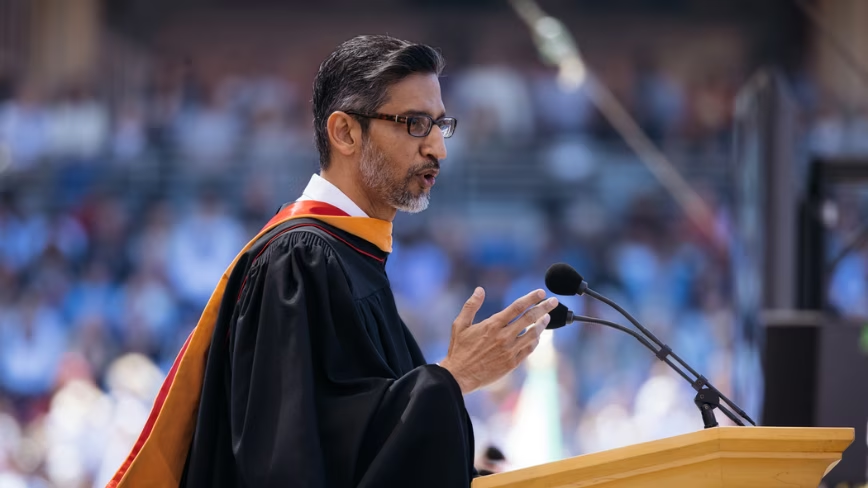
Sundar Pichai, CEO of Google and Alphabet, spoke at Stanford’s 135th commencement on June 14 but notably steered clear of focusing on artificial intelligence. Despite leading one of the largest AI companies, Pichai opted to emphasize optimism and broad themes rather than engage directly with AI issues. His speech prompted a walkout by some graduates who expected him to address AI and its challenges more directly.
Why it matters
Google’s frontman avoiding the AI topic at a major tech university signals rising tension around how leaders talk about AI’s risks and opportunities. Pichai’s choice reflects a cautious narrative that tries to balance excitement with restraint, possibly to avoid inflaming fears or criticism. For founders and investors, it underscores the growing public scrutiny and pressure tech giants face when discussing AI’s future. It also signals that even optimistic pitches on AI face pushback from the next generation of tech talent.
More importantly, the graduates’ reaction serves as a reminder that ignoring AI’s disruptions is no longer an option. Businesses and operators should expect increased demand for accountability on AI’s societal effects alongside innovation. Pichai’s speech indirectly flags the widening gap between corporate messaging and community concerns, which could shape regulatory and market responses over the next few years.
What to watch next
Watch how Google frames AI communications going forward, especially in public and academic forums. Monitoring whether Pichai or other top executives shift toward more direct engagement with AI’s ethical, workforce, and safety challenges will reveal how seriously Google takes external pressures.
Also, observe if this walkout influences other tech leaders to address or downplay AI concerns ahead of major public events. For builders and founders, this signals a growing expectation to incorporate clear, grounded AI responsibility narratives into product and business discussions.
Finally, regulators and investors keen on AI governance should track how these public tensions evolve. The divide between tech leaders’ optimism and public skepticism could drive tougher scrutiny, shaping investment priorities, compliance demands, and innovation pacing.
AI Quick Briefs Editorial Desk