ByteDance is in talks to buy AI chips from China’s Iluvatar CoreX
The business move
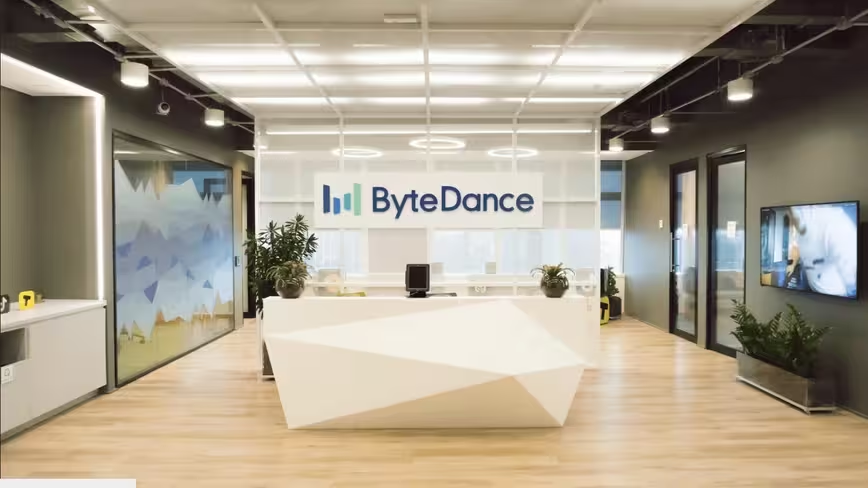
ByteDance, the parent company of TikTok and Douyin, is negotiating to purchase AI chips from Iluvatar CoreX, a Shanghai-based GPU maker. Iluvatar CoreX has so far focused mostly on government clients, making this a notable shift toward commercial buyers. This move aims to reduce ByteDance’s current reliance on Nvidia chips for its artificial intelligence workloads.
Why it matters
Nvidia’s GPUs have dominated AI hardware for years, but global supply chain constraints and geopolitical tensions are pushing large tech companies to diversify suppliers. ByteDance engaging with a Chinese GPU manufacturer signals that it wants more control over its hardware supply, especially amid US-China trade restrictions impacting technology access. This could drive changes in pricing, availability, and innovation pace in the AI chip market. For ByteDance, securing an alternative chip source might lower risks tied to US export controls and increase the company’s negotiating power with Nvidia.
Who gains and who gets squeezed
Iluvatar CoreX stands to gain significant business, market credibility, and potentially accelerated product development by entering ByteDance’s massive AI infrastructure supply chain. Chinese chip makers may benefit broadly as more AI firms seek local hardware to bypass export limitations. Nvidia and other established chip makers may face pressure on prices and orders if major customers shift purchases to regional suppliers. Global AI companies may also see supply chain dynamics change, forcing them to reconsider their hardware vendor strategies in light of geopolitical risk.
What to watch next
Keep an eye on whether ByteDance finalizes deals with Iluvatar CoreX and how that affects their AI service performance and costs. Follow how other Chinese AI chip makers respond, and if more tech companies start diversifying supply similarly. Watch for any shifts in Nvidia’s sales and pricing strategies as these new players gain traction. Finally, track regulatory shifts or new export controls that could further accelerate this hardware realignment in AI infrastructure.
AI Quick Briefs Editorial Desk