GM says its autonomous cars will eventually be capable of running as robotaxis too
What happened
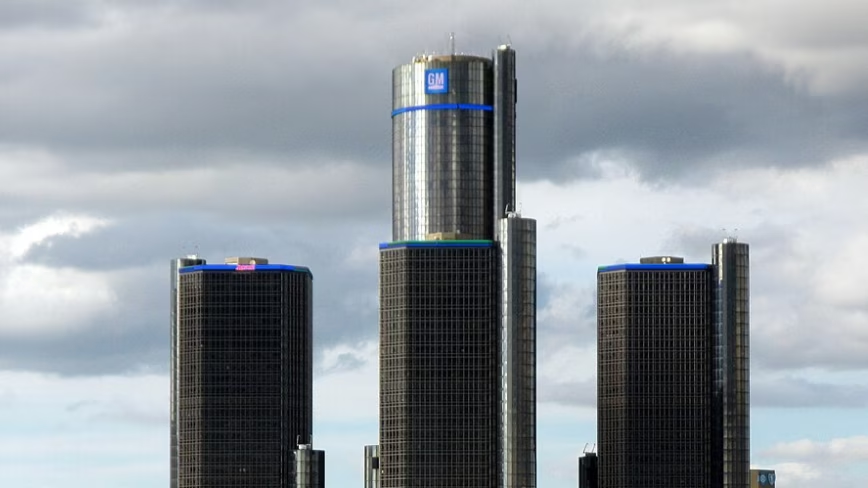
General Motors closed its Cruise robotaxi division, a $10 billion investment, in December 2024. Despite this shutdown, GM’s chief product officer says the company’s autonomous vehicles will still be built to eventually operate as robotaxis. Sterling Anderson, formerly Tesla’s Autopilot lead and now at GM, discussed that GM’s personal use autonomy program and their earlier robotaxi efforts are closely linked.
Why it matters
GM’s move pulls back from a direct robotaxi service but does not scrap the core technology and the vision to scale autonomous ridesharing. Building autonomous systems primarily for personal use lowers developmental risk and cost compared to launching a full robotaxi fleet. Yet, the capability to pivot toward robotaxis remains intact, preserving flexibility to enter commercial mobility markets as technology and regulation mature.
For investors and operators, this signals GM is managing cash burn and regulatory challenges by focusing on autonomous driving features customers can buy now, rather than betting on still-uncertain robotaxi economics. It puts pressure on other players to justify direct robotaxi business models while highlighting that autonomous tech must serve multiple use cases to be sustainable.
Sterling Anderson’s involvement suggests GM is applying lessons from Tesla’s Autopilot development to speed up and refine Super Cruise, their personal autonomy product. This approach may extend the lifespan of GM’s technology investments and maintain competitive relevance in autonomous vehicles without the heavy expense of operating a robotaxi fleet.
What to watch next
Track how GM integrates robotaxi-capable features into consumer vehicles and whether regulatory frameworks evolve to support gradual scaling of shared autonomous rides. Also watch for partnerships or pilot programs that might put GM’s autonomous cars into limited commercial service without a full Cruise revival.
Competitors’ robotaxi pilots and investments will reveal if the market still favors standalone fleets or hybrid use cases. GM’s cautious stance raises questions about capital allocation across autonomous driving technologies and signals a more pragmatic, stepwise path rather than a head-on robotaxi race.
AI Quick Briefs Editorial Desk