Why AI hasn’t replaced software engineers, and won’t
Quick take
AI tools that write code have grabbed headlines predicting the end of software engineering jobs, but they remain assistants rather than replacements. Coding agents are settling in as expected technology, augmenting developers instead of displacing them. The complexity of real-world software and the need for creative problem solving keep human engineers essential.
Even the best AI coding agents hit limits when projects require understanding vague goals, adapting to evolving specs, or integrating multiple systems. Software engineering involves more than generating code snippets. It demands troubleshooting, architecture decisions, context awareness, and collaboration—all areas where AI is still far behind skilled humans.
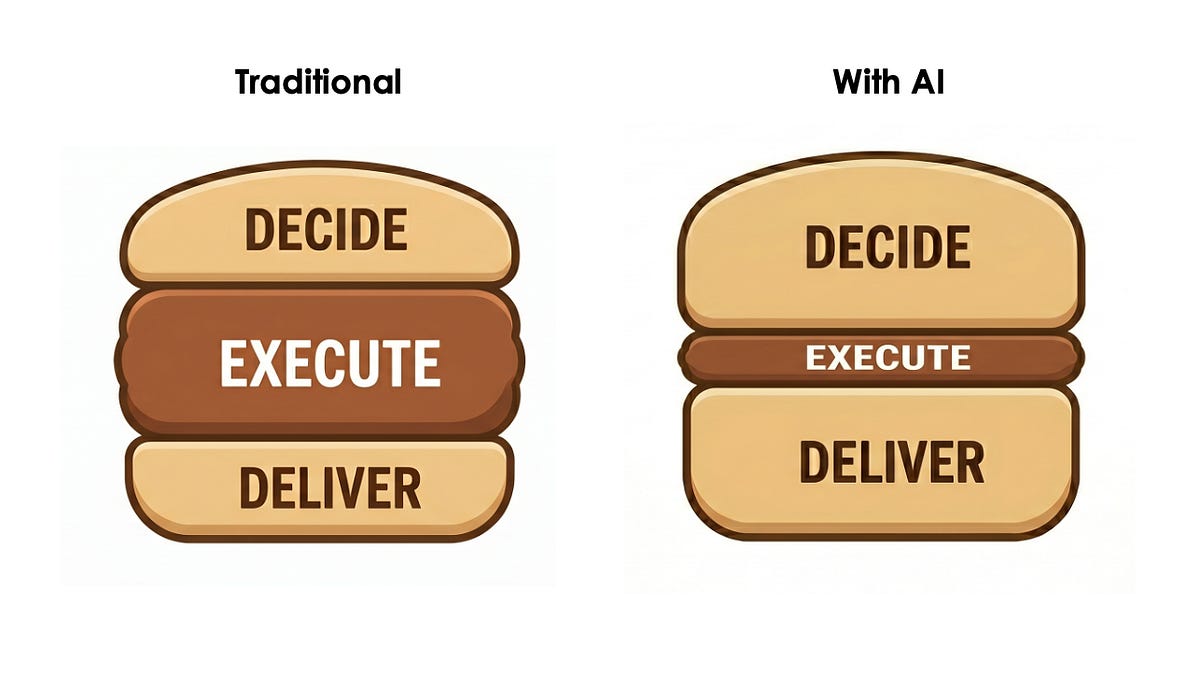
These agents speed up routine tasks like writing boilerplate or fixing simple bugs. They reduce tedium and enable developers to focus on higher-value work. But they cannot own a project or navigate business priorities, which means software engineers remain in control. This stabilizes the job market despite AI hype.
For builders, accepting AI as a regular tool means shifting how teams work instead of fearing disruption. It pressures teams to adapt workflows to combine human insight with AI coding support. Investors and businesses should expect AI to raise developer productivity but not lower headcounts drastically.
The practical takeaway is AI coding agents add value by handling repetitive code generation and speeding early prototyping. However, software engineering as a profession requires judgment, creativity, and domain knowledge that AI cannot replace any time soon. Developers who leverage AI effectively will be more valuable, not obsolete.
Why it matters
The noise about AI replacing software engineers distracts from how AI actually changes software development. Understanding AI coding agents as normalized technology reframes expectations. It helps startups, enterprises, and investors plan realistic talent strategies and technology investments.
The risk is overestimating what AI tools can do in complex projects. Companies that bet on AI to fully automate software development will face delays, quality issues, and higher costs. Recognizing the ongoing need for skilled engineers prevents costly hiring freezes or layoffs based on AI myths.
This view strengthens the position of experienced developers who integrate AI tools into their workflow. It also encourages AI startups to focus on augmenting users rather than full automation. Strategic adoption of AI coding agents sharpens technical teams and accelerates project timelines without sacrificing quality.
Looking ahead, the main pressure AI coding agents create is on developer workflows and tooling, not headcount. The dividend comes from better productivity and less grunt work, which benefits software teams. The long-term future is closer collaboration between human engineers and AI tools than replacement.
AI Quick Briefs Editorial Desk