Multimodal Browser AI with Transformers.js for Images and Speech
What changed
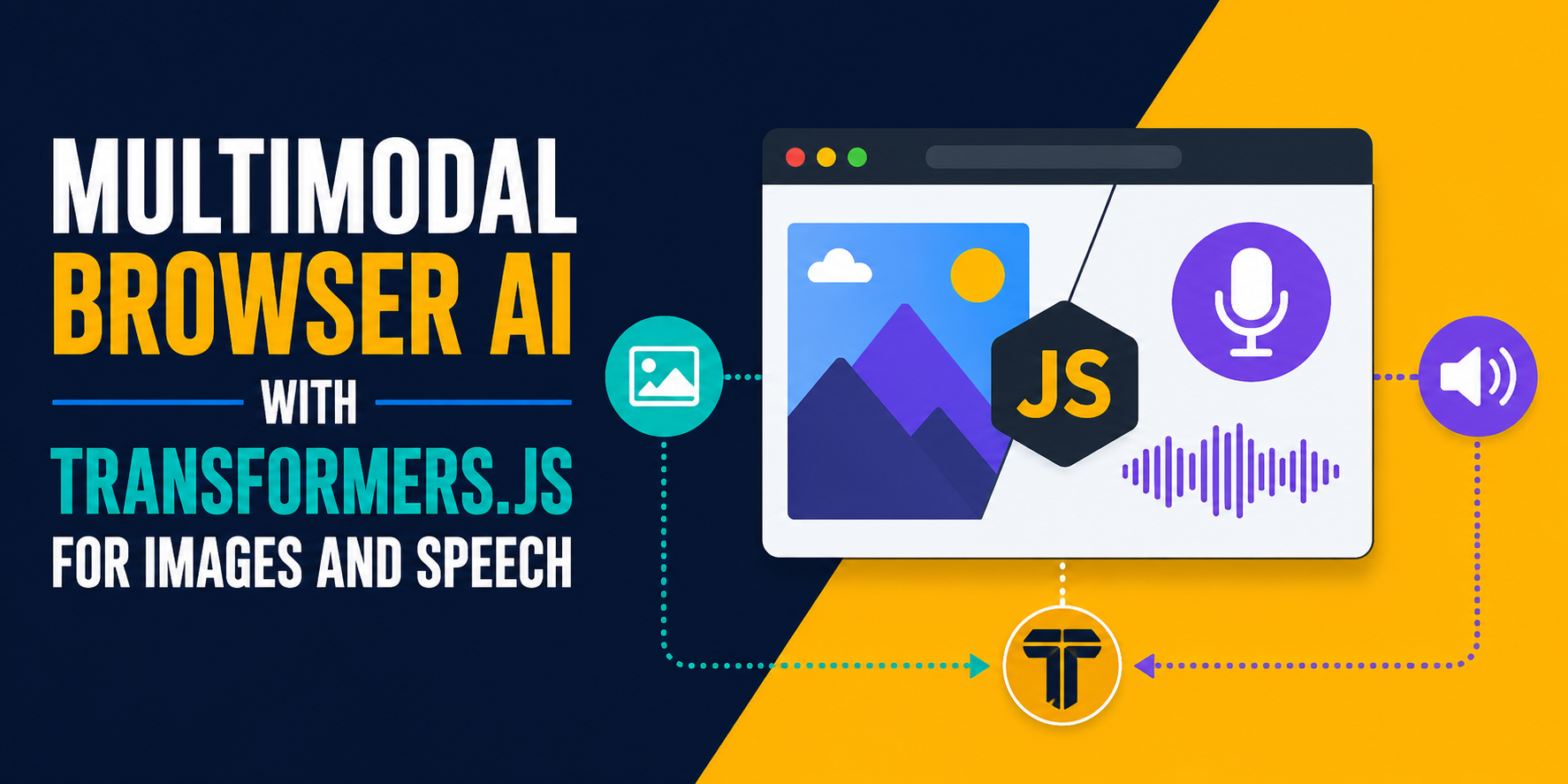
Transformers.js, a JavaScript library for running transformer models in the browser, now supports multimodal AI that handles images and speech alongside text. This is a shift from the usual focus on text-only AI demos by opening up practical use cases where visual and audio inputs matter. The update extends browser-based AI applications beyond typed prompts to include spoken commands and image recognition without server dependency.
Why builders should care
Most AI tutorials start with text because it is simpler to implement, but real-world needs go beyond words. Adding multimodal capabilities in the browser reduces barriers for apps that combine speech, images, and text while improving speed and privacy by processing data locally. Developers can build more interactive user experiences for fields like accessibility, content moderation, and creative tools without complex backend infrastructure or high cloud costs.
The practical takeaway
Running multimodal transformers entirely in the browser enables faster experimentation and deployment of AI-powered features that integrate diverse inputs. Builders can create applications that listen to user commands, analyze photos, and respond contextually—all in a lightweight, offline-ready package. This pushes AI beyond traditional chatbots into richer, independent client-side tools that better match user expectations for multimodal interaction.
What to watch next
Expect more browser AI libraries to incorporate multimodal support and expand toward video, sensor data, or real-time analytics. Watch for growing adoption of transformers.js in low-latency, privacy-sensitive, and edge computing scenarios. Practical constraints like model size, latency, and energy consumption will drive innovation in model compression and streaming inference for these evolving applications.
AI Quick Briefs Editorial Desk


