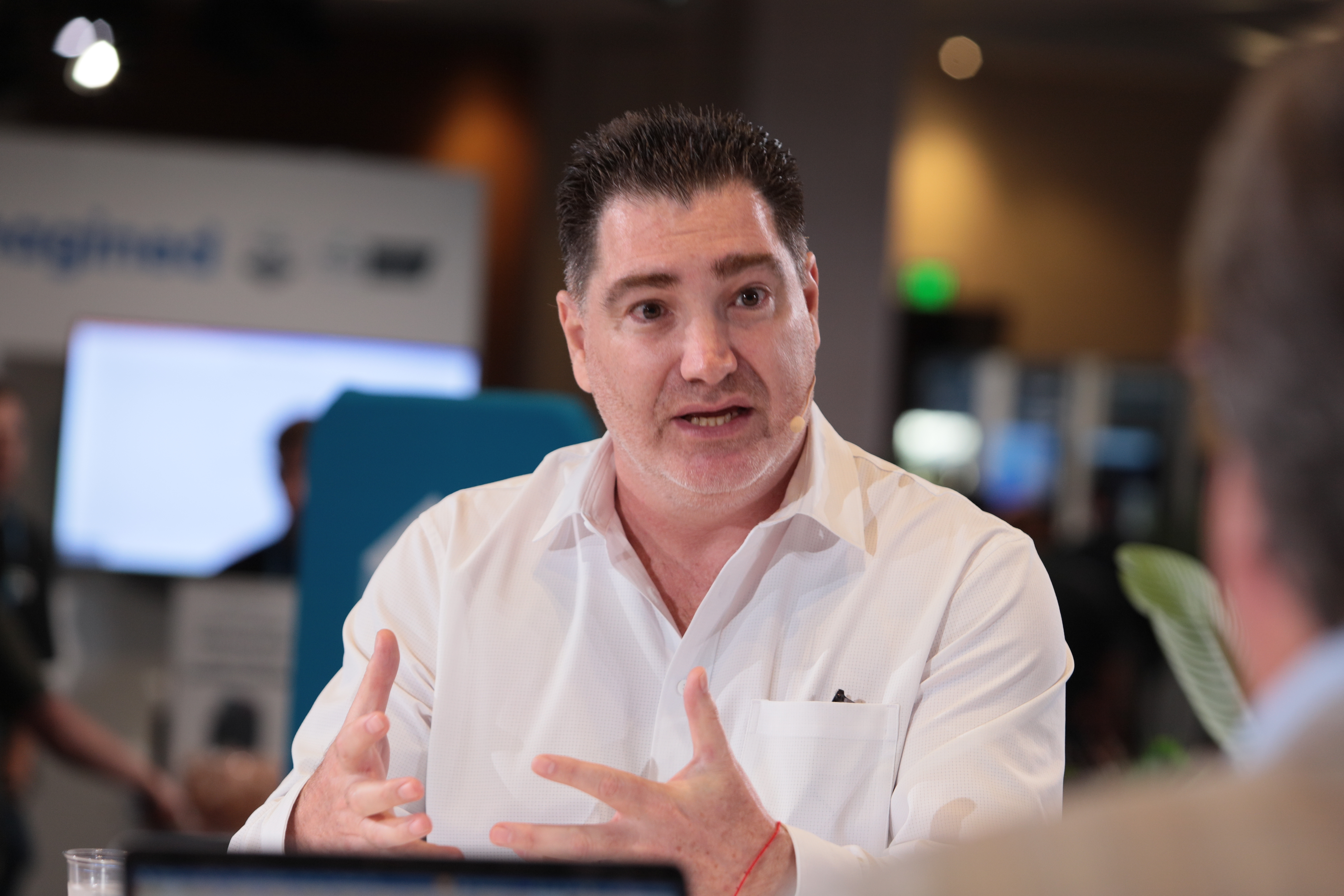
The $2 trillion AI infrastructure problem no one is talking about, and the engineer solving it

What changed
The public has gained detailed insight into the capital costs of building large-scale AI infrastructure through eight quarters of hyperscaler earnings calls. Terms like GPU procurement, power purchase agreements, and real-estate footprints have become part of the standard vocabulary to describe those upfront investments. What remains mostly unspoken is the recurring operational expense required to keep these AI clusters running smoothly over time.
Shashidhar Bhat, an engineer tackling this operational challenge, exposes what the public and industry conversations are missing: the ongoing health, maintenance, and efficiency costs of massive AI infrastructure. These costs add up in a scale that could approach $2 trillion globally, complicating the economics of AI deployment far beyond initial hardware and facility spending.
Why builders should care
Understanding recurring cluster health costs shifts how operators and founders evaluate the total cost of AI infrastructure. It pressures businesses to factor in not only the capital expense but also the labor, monitoring, repair, and optimization budgets needed to maintain cluster uptime and performance. This reality tightens margins and makes the scaling of AI infrastructure riskier and more complex than just buying GPUs and securing power.
The lack of public language around these operational costs also creates blind spots for investors and partners, who may underestimate ongoing capital intensity and operational readiness requirements for AI deployments. For engineers and infrastructure managers, this gap hampers planning and innovation around sustainability, reliability, and cost controls.
The practical takeaway
AI infrastructure economics require a two-part approach: the initial build and the ongoing run. Anyone planning to launch or scale AI services must budget for more than hardware and data center leases. The effort to keep clusters healthy demands specialized teams, real-time monitoring tools, and continuous investment well beyond the initial rollout.
This hidden cost risks slowing AI adoption for smaller players and startups that cannot afford the high maintenance burden. At the same time, it creates opportunities for specialists and third-party vendors who can reduce complexity and lower operational costs through automation and smarter cluster management.
What to watch next
The industry will need clearer benchmarks and transparency on recurring AI infrastructure expenses to properly price AI services and plan growth. Watch for emerging companies or projects focused on solving cluster health at scale. Also, monitor shifts in hyperscaler earnings calls and capital allocation as operational costs become harder to ignore.
Regulators or energy providers could start pushing back as operational AI infrastructure stresses power grids and facilities long after initial setup. Anyone involved in AI infrastructure, funding, or operations should expect tighter margins and rising operational scrutiny as more of the true cost gets exposed.
AI Quick Briefs Editorial Desk