OpenAI confidentially files its IPO paperwork as it inches closer to stock market debut
What happened
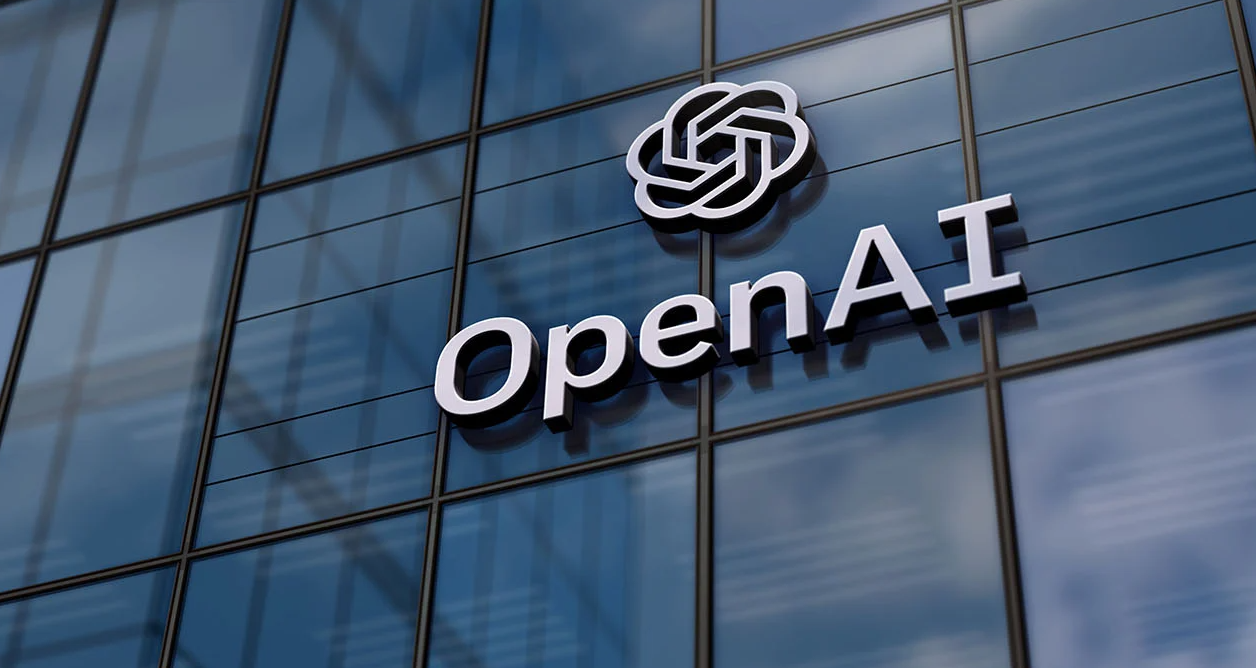
OpenAI Group PBC filed confidential paperwork for an initial public offering as it moves closer to offering shares publicly. Valued at about $852 billion, the company is preparing for a major stock market debut that will give early investors a significant return. The move formalizes OpenAI’s transition from a private startup to a public company.
Why it matters
OpenAI’s IPO will reshape the market for AI investments and public tech companies. It pressures other major AI players and tech firms to clarify their valuation and business models around AI. For investors, the IPO introduces a rare chance to buy into an industry leader pushing generative AI products like ChatGPT. The public status will also increase transparency and scrutiny on OpenAI’s revenue, growth, and strategic direction.
For businesses using AI, OpenAI going public may accelerate adoption by signaling maturity and stability. It strengthens OpenAI’s incentives to scale commercial partnerships and improve product offerings. However, it may also tighten regulatory and shareholder demands, potentially slowing innovation or shifting priorities toward short-term financial performance.
What to watch next
Attention will turn to OpenAI’s full IPO filing, which will reveal how the company plans to monetize its technology and sustain growth. Watch for details on revenue streams around GPT models, enterprise deals, and AI services. The pricing and timing of the IPO will set a benchmark for AI market valuations. Investors should watch for how OpenAI balances its unique mission-driven structure with the pressures of public shareholder accountability.
The ripple effects may surface in broader AI funding as private investors reassess risk versus reward in companies aiming for public offerings. Regulators and competitors will closely monitor OpenAI’s public disclosures for operational risks, governance, and impact on the AI ecosystem.
AI Quick Briefs Editorial Desk