Fanatics brings AI-powered personalization to game day
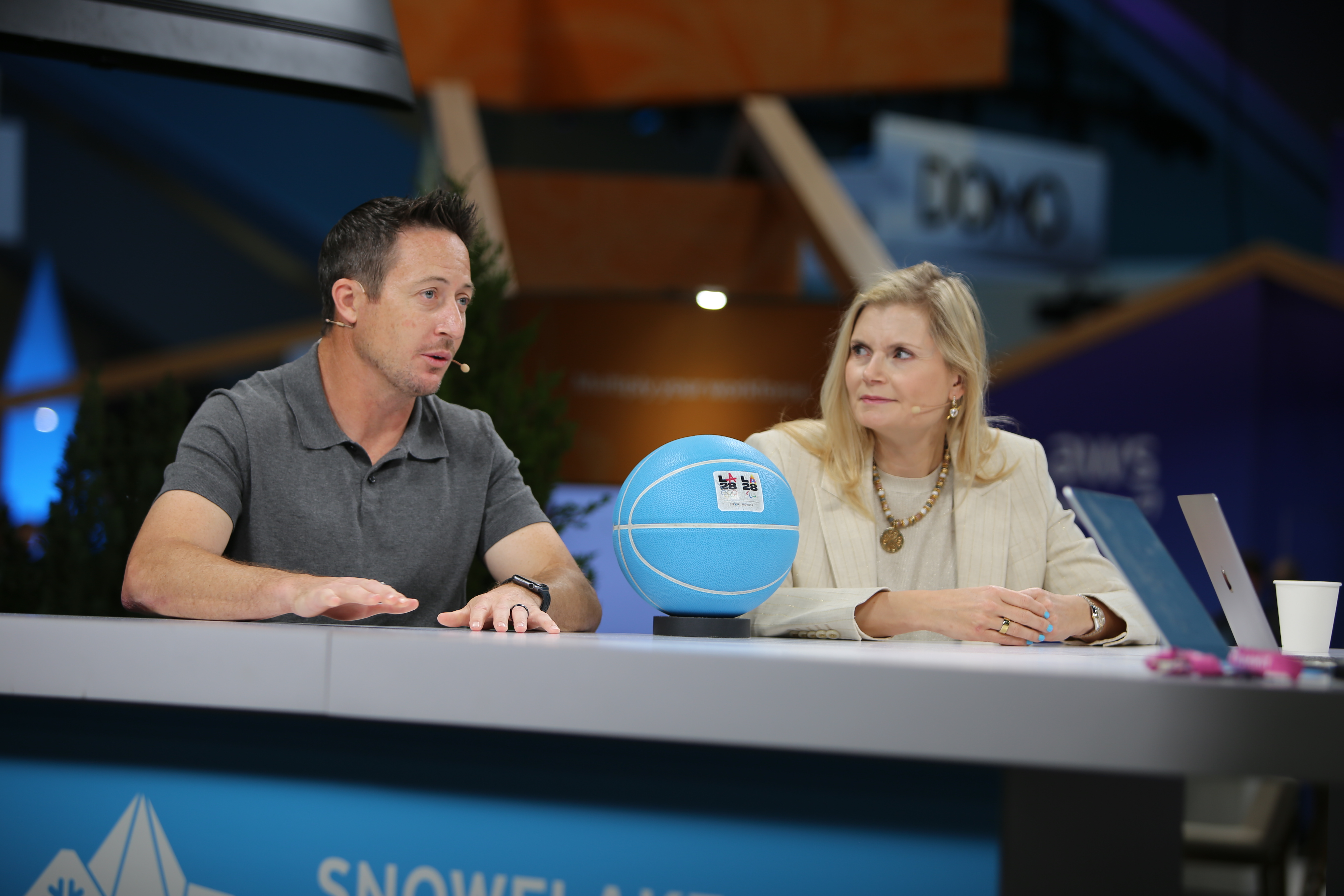
What happened
Fanatics is deploying AI-powered personalization technology during game days. The system goes beyond traditional broad audience targeting by using real-time data and detailed fan profiles to tailor the fan experience. This approach allows Fanatics to offer more relevant interactions, content, and product recommendations to individual sports fans as events unfold.
Why it matters
Sports organizations have relied on generic audience segments, which often miss individual fan preferences. Fanatics’ move adds precision to personalization, increasing the potential for higher fan engagement, loyalty, and spending. By integrating AI that sifts through dynamic data points such as purchasing behavior, viewing habits, and event-specific interactivity, Fanatics can deliver timely and relevant fan experiences that feel more personal and immediate. This raises operational pressure on competitors to adopt AI-driven strategies to keep pace.
However, increased AI personalization also forces organizations to address transparency and governance. Fans expect clarity about how their data is used, and overly automated or opaque systems risk undermining trust. Balancing nuanced personalization with responsible data use will be critical for sustaining fan relationships over time.
What to watch next
How Fanatics handles data governance alongside AI personalization will be a key factor to monitor. Tracking changes in fan engagement metrics and revenue linked to this AI-driven approach can reveal if deeper personalization delivers measurable returns. Other sports brands and event operators may accelerate AI adoption or face pressure to integrate similar real-time, data-driven fan experiences. Watch for regulatory responses or fan backlash around transparency to see if tighter rules emerge around AI use in sports marketing and fan engagement.
AI Quick Briefs Editorial Desk