Trump wants the American public to own a piece of OpenAI. Nobody knows how that would work.
What happened
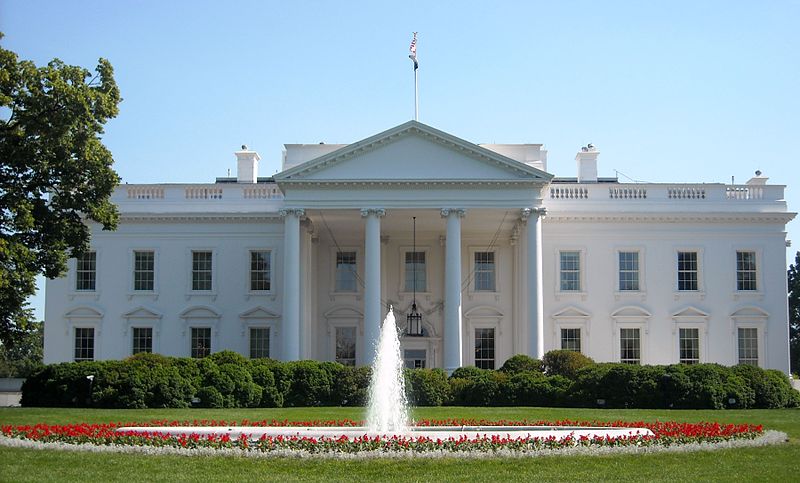
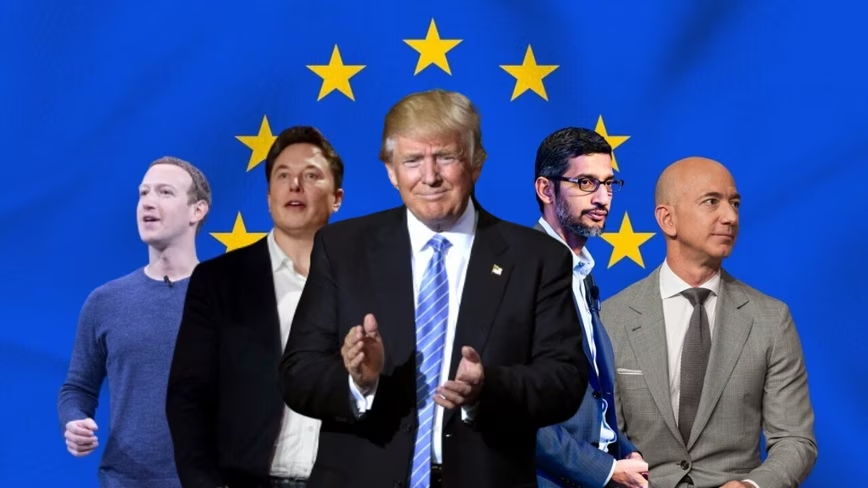
President Donald Trump announced plans to meet with AI companies at the White House next week. The goal is to explore a partnership model where the American public could receive ownership stakes or shares in AI companies like OpenAI. Details on how this would work were not provided, and the proposal remains vague.
Why it matters
This idea challenges the current structure of private AI firms and how their financial gains are distributed. If the government pushed for public ownership in AI companies, it would shift incentives and potentially introduce new regulatory or funding complexities. It could pressure companies to alter governance or profit-sharing models, affecting investment and innovation dynamics in a competitive, fast-moving sector.
For businesses and investors, this raises questions about how government involvement might influence valuations or access to AI technologies. The concept also implies a stronger public interest angle that could lead to more oversight or demands for transparency. But without a clear blueprint, the proposal increases uncertainty around ownership and control of leading AI firms.
What to watch next
The outcome of the White House meetings will be key. Watch for any concrete policy proposals, ownership frameworks, or new federal programs linked to AI company equity distribution. Signals on whether regulatory bodies join the effort or if companies agree to share stakes with the public will clarify how seriously this idea is taken. The response from AI companies and investors will also indicate if this pushes business models toward new patterns of ownership or slowdowns due to increased complexity.
AI Quick Briefs Editorial Desk