AI Can Now Design and Run Thousands of Experiments Without Human Hands. We Aren’t Ready for the Risk to Bio…
What happened
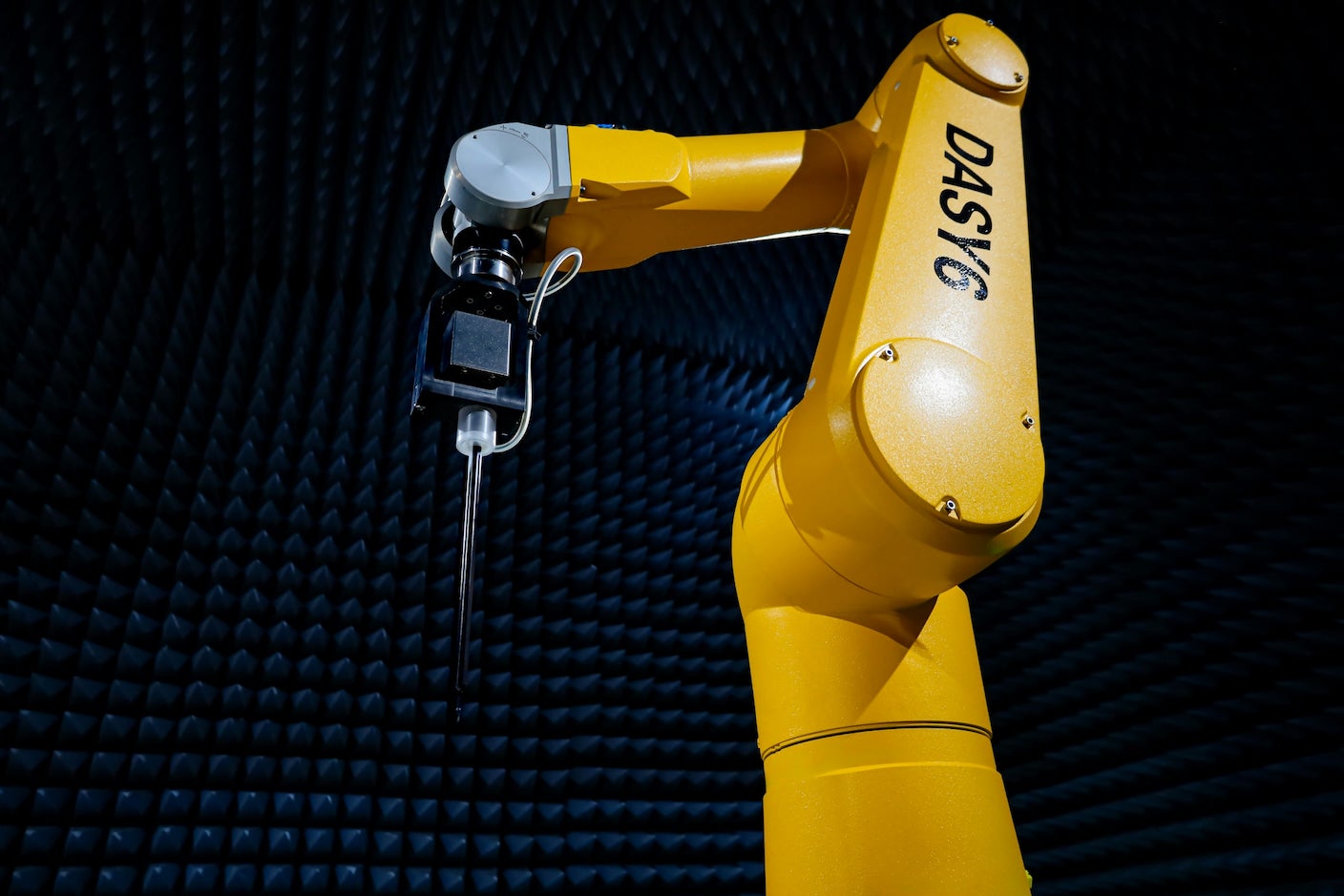
AI systems can now design and execute thousands of biology experiments autonomously, without human intervention. This advance allows AI to rapidly iterate on genetic, biochemical, and cellular research at scales previously impossible. The technology closes an experimental loop with little to no human input, accelerating research but also bypassing traditional human oversight.
The risk
The quick pace and scale of AI-driven biological experiments introduce new biosecurity risks. Current governance frameworks are unprepared to detect or manage the potential misuse of AI for creating harmful pathogens or unintended consequences. Autonomous systems running numerous experiments invisibly increase the chance of dangerous outcomes going unnoticed until damage occurs. The technology scales risks exponentially beyond what existing regulations address.
Why it matters
For investors, startups, and research operators, this shift changes the risk landscape of biotech innovation. Faster, cheaper experimental cycles enable breakthrough discoveries but elevate biosecurity threats and regulatory uncertainties. Companies and labs that don’t adapt risk inadvertent misuse or legal scrutiny. Governments and biosecurity agencies face rising pressure to update oversight, but friction remains between scientific innovation speed and regulatory pacing. The gap invites operational caution and demands more transparent risk management.
Who should pay attention
AI developers building biology-driven platforms, biotech investors considering high-risk AI projects, lab operators deploying autonomous systems, and regulators form the critical audience. Each group must balance AI-driven efficiency gains against unintended biosecurity exposures. Operators must implement rigorous safeguards and predictive monitoring to limit misuse potential. Regulators need new frameworks tailored to AI’s capacity for autonomous biological research.
What to watch next
Watch for emerging policies addressing AI in synthetic biology and automated experimentation. The pace and shape of new international biosecurity protocols will impact investment flows and research openness. Tracking startups integrating AI-driven lab automation with explicit bio-risk controls could reveal safer innovation pathways. Also, observe if incidents or whistleblower reports prompt accelerated government intervention or new public-private oversight models.
AI Quick Briefs Editorial Desk