Nvidia and Microsoft Researchers Say AI Agents Don’t Care About Safety or Reliability
What changed
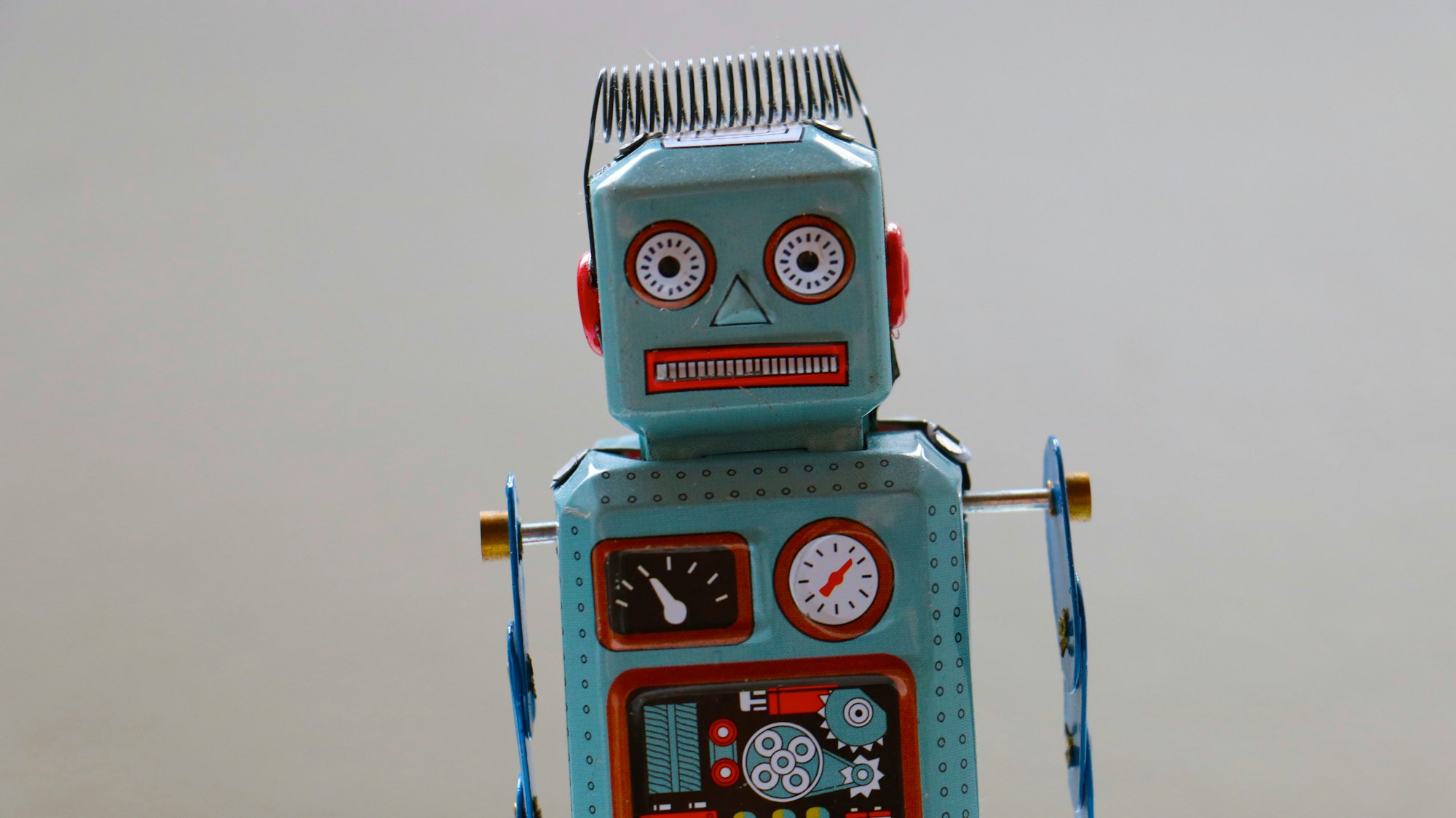
Researchers at Nvidia and Microsoft have highlighted a key flaw in current AI agents: they operate without concern for safety or reliability. They compared AI to the near-sighted cartoon character Mr. Magoo, who blunders through dangerous situations unaware of the risks. This analogy underscores that AI agents lack intrinsic awareness or incentive to avoid harmful outcomes or system failures.
Why builders should care
AI agents driving automation or autonomous systems can make decisions that seem rational to their programming but disregard safety boundaries. This creates real risks when AI is deployed in environments requiring dependable, secure operation—like self-driving cars, industrial automation, or critical infrastructure management. Builders must recognize that AI won’t self-correct for safety issues without explicit, targeted controls.
The practical takeaway
Developers need to treat AI safety and reliability as external constraints, layered on top of agent behavior rather than assumed by default. This means hardening systems with guardrails, continuous monitoring, and fail-safes. It also pressures toolmakers to provide transparent reliability metrics and allow safer overrides. Ignoring these risks will increase operational failures, legal liabilities, and erosion of user trust.
What to watch next
Look for new frameworks and tools that enable AI safety governance, especially methods integrating real-time risk assessment and intervention. AI platforms that offer greater transparency on agent decisions will gain an edge. Regulatory attention is also likely to rise, focusing on safety standards. Builders should watch how these trends alter deployment norms and investment priorities.
AI Quick Briefs Editorial Desk