Amazon’s Ring is sued over its Familiar Faces facial-recognition feature
What happened
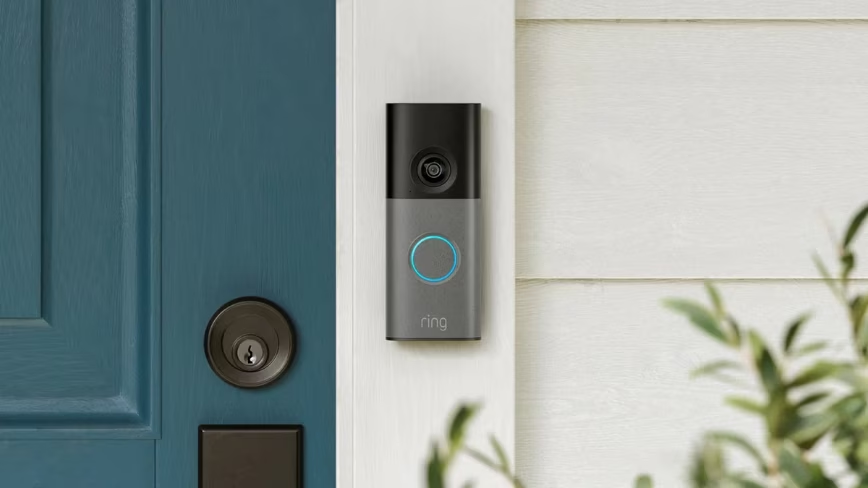
Amazon faces a class-action lawsuit over its Familiar Faces facial-recognition feature on Ring doorbells. The case was initiated by a Virginia resident, Charles Sigwalt, and targets the core issue of consent: buyers of the cameras agree to the facial-recognition features, but passersby captured on camera do not. The complaint challenges the legality and privacy implications of tracking individuals without their explicit permission.
Why it matters
This lawsuit pressures Amazon and similar smart home device makers to reconsider how facial-recognition is deployed and consent managed. It exposes a sharp tension between convenience and privacy rights that could influence future product design and legal standards. For operators and businesses deploying surveillance AI, unchecked facial-recognition could soon face higher legal risks and user backlash. The case also raises questions about the limits of consent in public and semi-private spaces where cameras are installed.
What to watch next
The legal outcome will test how courts treat consent in AI surveillance products and could reshape regulations on facial recognition in consumer devices. Builders and product teams should monitor this case to anticipate stricter privacy requirements or design changes to avoid similar litigation. Investors and operators in the smart security market should watch for shifts in consumer trust around privacy features, which could affect adoption rates and brand reputations.
AI Quick Briefs Editorial Desk