The Roadmap for Mastering LLMOps in 2026
What changed
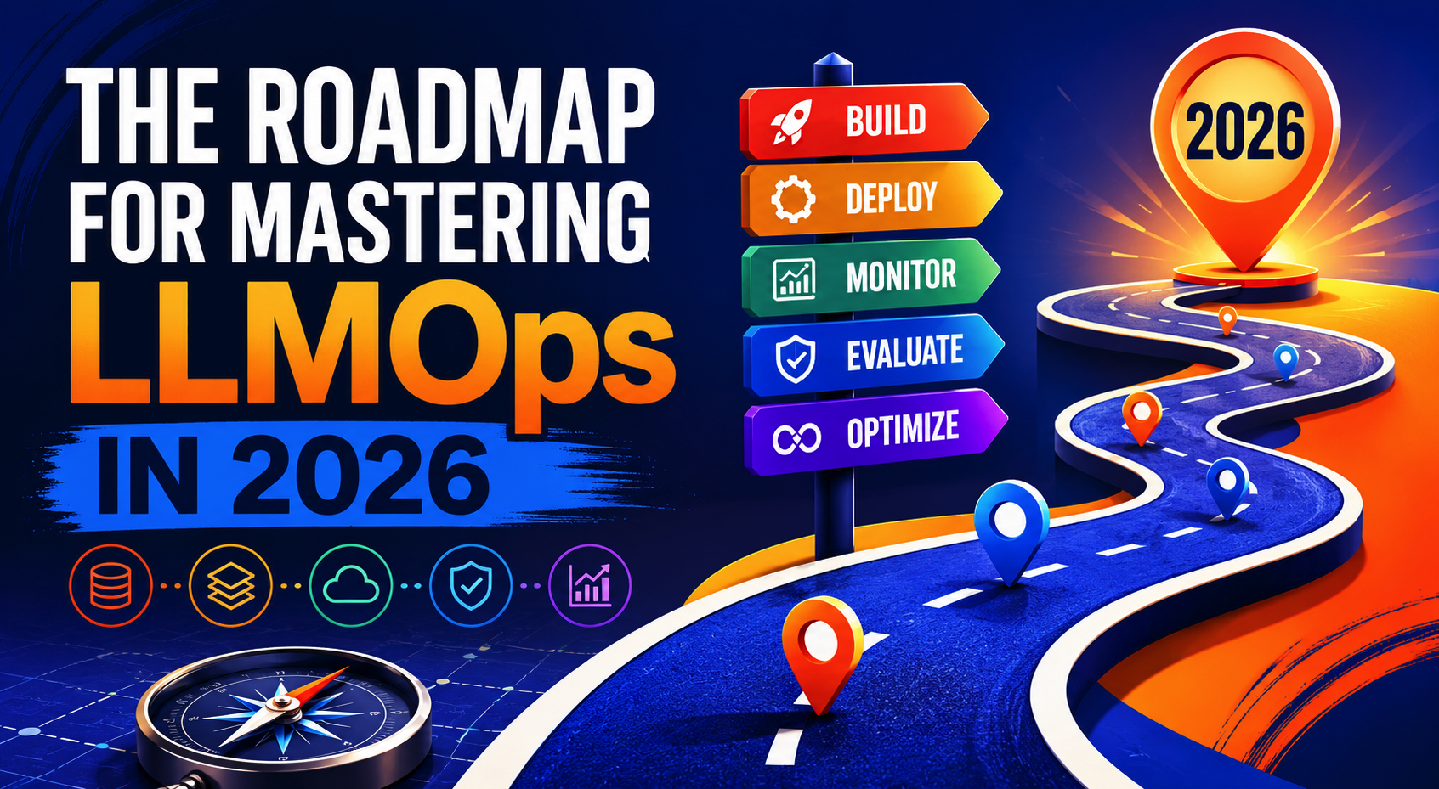
The LLMOps market is projected to grow significantly by 2026, marking a clear shift in how large language models are managed and operated. This growth signals rising demand for operational tools and frameworks that simplify deploying, monitoring, and optimizing LLMs in production. The roadmap to mastering LLMOps now emphasizes integrating data pipelines, model debugging, cost control, governance, and continuous model evaluation.
Why builders should care
Builders face rising pressures to not only develop LLMs but also sustain them in complex environments with changing data and usage patterns. Without mature LLMOps practices, projects risk ballooning costs, slower iteration cycles, and unpredictable model performance. Implementing LLMOps can tighten control over resource consumption and improve reliability, essential for scaling AI in real-world applications.
The practical takeaway
Starting LLM projects requires early investment in tooling that automates monitoring for degradation and bias. Accountability frameworks must be put in place alongside data versioning and model retraining workflows. Operators should expect closer collaboration between ML engineers, data scientists, and infrastructure teams to reduce deployment friction and accelerate time to value. Efficient LLMOps reduces surprises in cloud costs and safeguards AI quality over time.
What to watch next
Watch for LLMOps platforms that offer end-to-end transparency and cost management. The evolution of standards in governance and privacy controls will also mold operational requirements. Open source projects could disrupt proprietary offerings by enabling more customizable pipelines. Builders should track innovations in model evaluation tools that go beyond accuracy to include fairness and robustness metrics.
AI Quick Briefs Editorial Desk