Intel touts 130-plus edge design wins for Series 3 and launches OpenVINO Physical AI framework
What happened
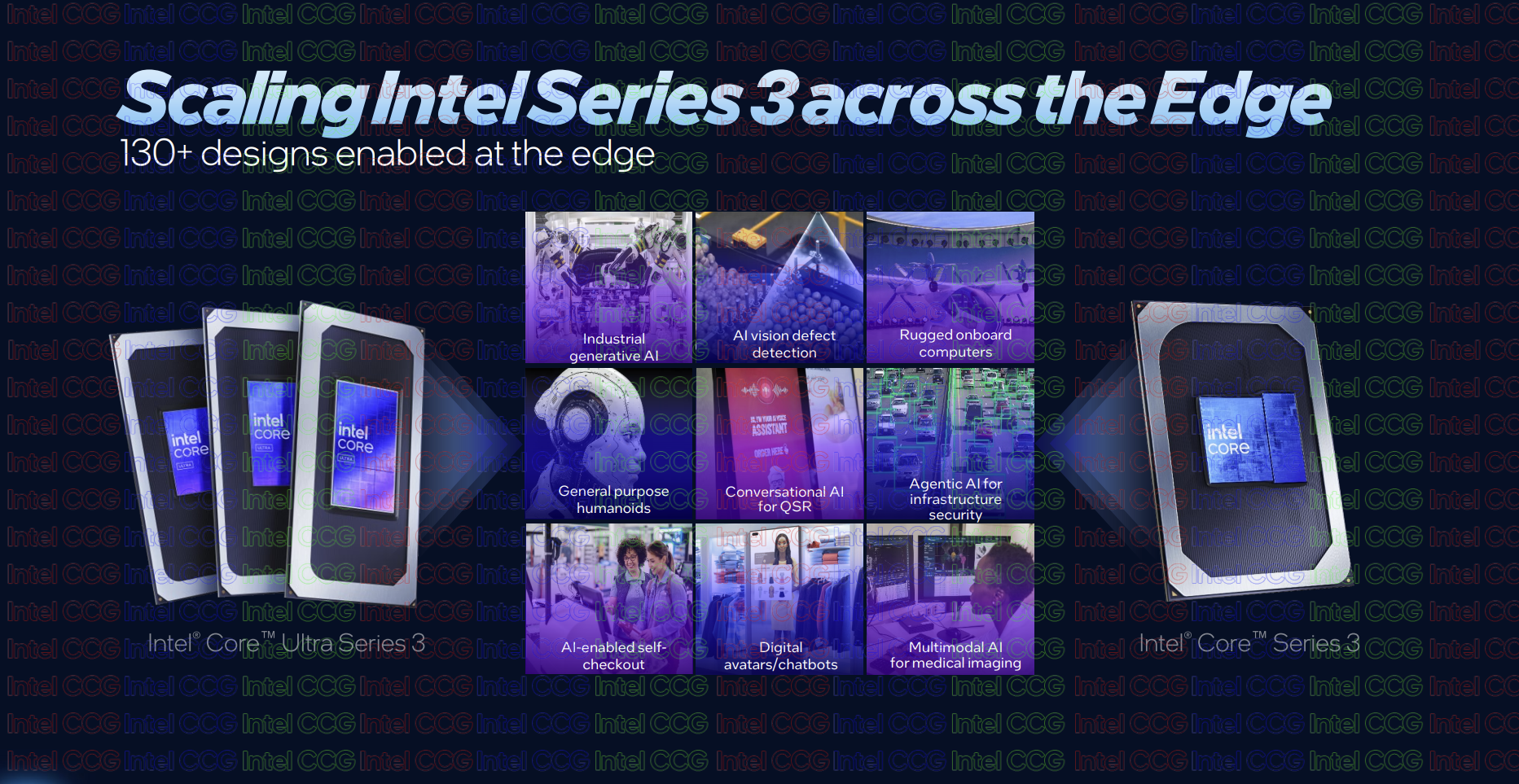
Intel announced that it has secured over 130 design wins for its Series 3 processors aimed at edge AI and edge computing applications. Alongside this, the company unveiled an open-source framework called OpenVINO Physical AI. This new framework is designed to close the gap between AI models developed in controlled laboratory settings and their real-world deployment across industrial robotics fleets.
Why it matters
Securing more than 130 design wins signals strong traction for Intel’s Series 3 processors in the edge AI market, an area of growing interest as more businesses push AI capabilities outside traditional data centers. The Series 3 chips aim to deliver the processing power needed for demanding AI workloads on-site, which can improve latency, privacy, and operational resilience.
The launch of OpenVINO Physical AI addresses a common challenge in robotics: models that perform well in development environments often stumble when scaled to production across diverse and unpredictable factory conditions. By focusing on deployment realities, Intel is pushing for more reliable, adaptable AI applications on the factory floor. This move puts pressure on other AI frameworks that overlook physical-world variability, potentially raising the bar for durability and maintainability in industrial AI deployments.
What to watch next
Tracking how quickly and widely Intel’s Series 3 processors get adopted in real-world edge use cases will reveal whether Intel can convert design wins into meaningful customer deployments. Observing early adopters of OpenVINO Physical AI will also provide insight into how much this framework improves operational reliability and reduces downtime or retraining costs in robotic fleets.
Additionally, competitors like NVIDIA and AMD will need to respond with similar real-world focused tools or risk losing ground in industrial edge AI. The edge AI space is starting to reward solutions that combine hardware advancements with software tailored to operational complexity rather than just peak performance metrics.
AI Quick Briefs Editorial Desk