An Implementation of the Microsoft Agent Governance Toolkit for Safe AI Agent Tool Use with Policies, Appro…
What changed
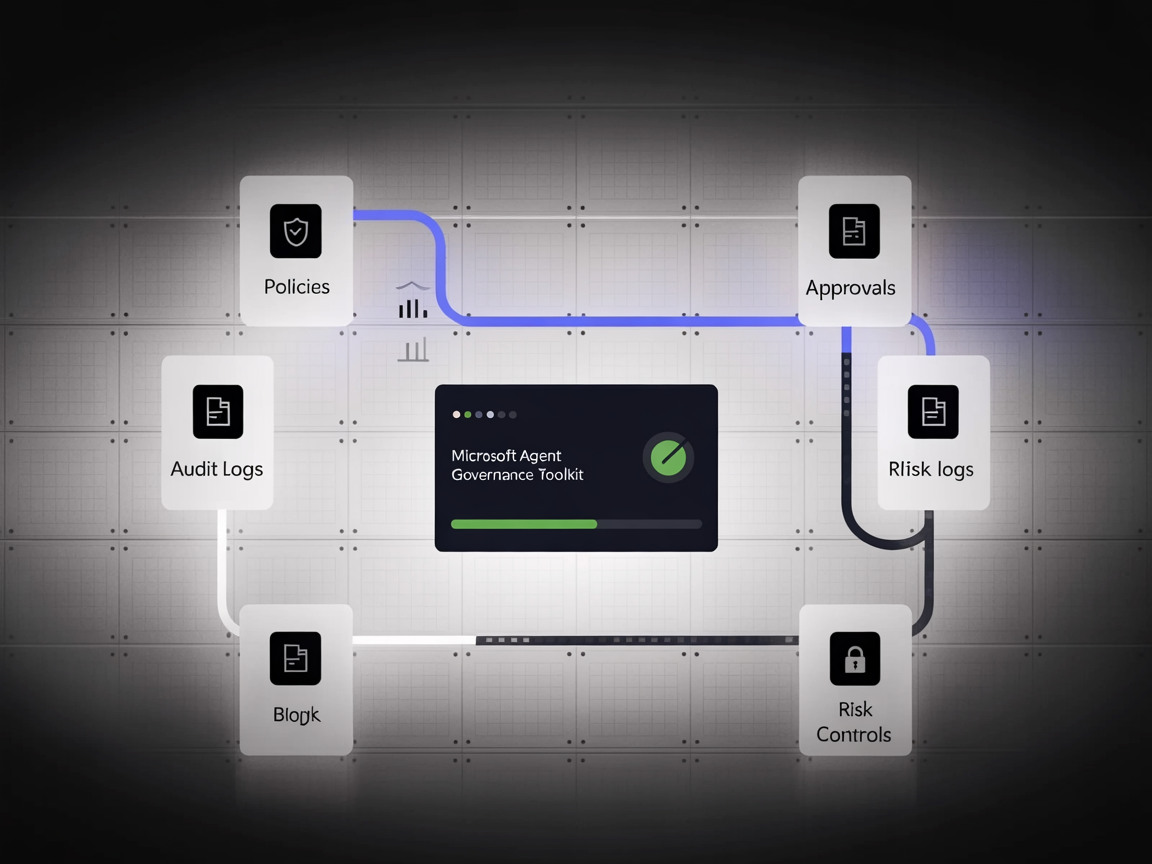
Microsoft’s Agent Governance Toolkit is getting a practical, hands-on implementation that integrates governance controls directly into AI-agent workflows. This Colab-ready version ensures AI agents can no longer run tools unchecked. Every action an AI agent requests passes through a governance layer that verifies identity, trust score, risk tier, requested tool, action type, and sensitivity level before approval. It logs all activity for audits and imposes risk controls that limit unsafe or unapproved uses.
Why builders should care
AI agents are expanding beyond simple chat to multi-tool orchestrators, but this makes risk management and compliance more complex. This implementation offers developers a clear blueprint for embedding safety and policy checks into how agents operate. It shifts governance from an afterthought or manual process to a baked-in, programmatic layer that regulates agents by predefined policies and dynamic risk assessments. This is particularly crucial for enterprises and regulated industries needing transparent audit trails and operational safeguards.
The practical takeaway
If building or deploying AI agents that control internal systems, APIs, or sensitive tools, this governance toolkit implementation forces accountability on agent actions. It makes it possible to assign risk levels to agents, require approvals before certain actions, and monitor all activity with detailed audit logs. Builders can reduce the risk of rogue commands, data leaks, or costly errors by embedding these governance checkpoints. It also enables scaled oversight as agent ecosystems grow without manual bottlenecks.
What to watch next
Watch for broader adoption of governance frameworks like Microsoft’s toolkit as AI agents become more autonomous and operate across diverse business functions. Expect integrations of similar risk control layers inside agent platforms and cloud services. How regulators and compliance officers respond to AI agent governance mechanisms will also be key. Finally, see if adoption or open sourcing of implementations accelerates with ongoing tooling and policy refinements that help builders govern smarter, not slower.
AI Quick Briefs Editorial Desk